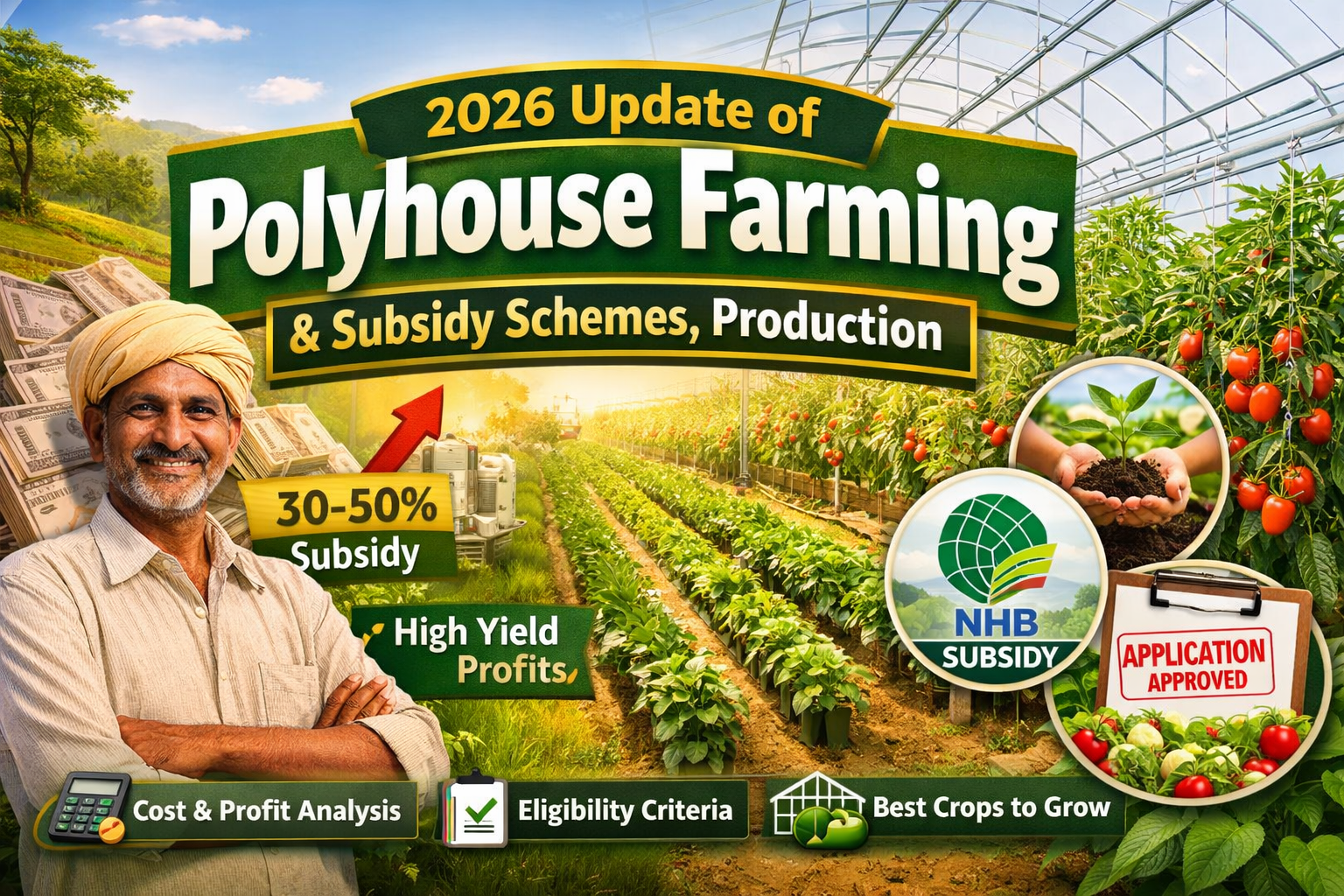
Polyhouse farming is gaining attention across India, and for good reason. While it started slowly, it has now become a game-changer in the agricultural sector. This modern farming technique is helping farmers grow high-quality crops with better control over environmental conditions.
However, despite its growing popularity, many people are still unaware of how it works or whether it is truly profitable. If you are curious about why polyhouse farming is becoming so widespread in India, read on to learn more.
Polyhouse Farming – A Modern Farming Solution
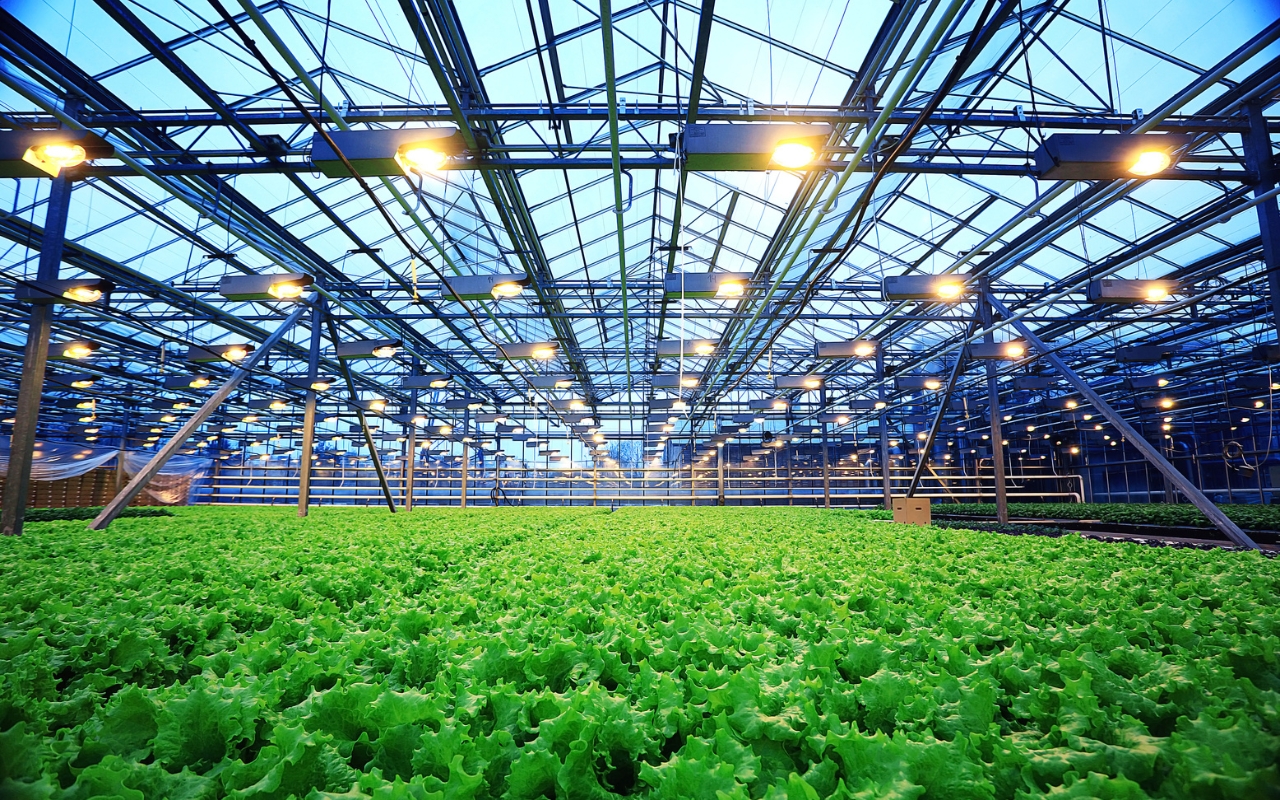
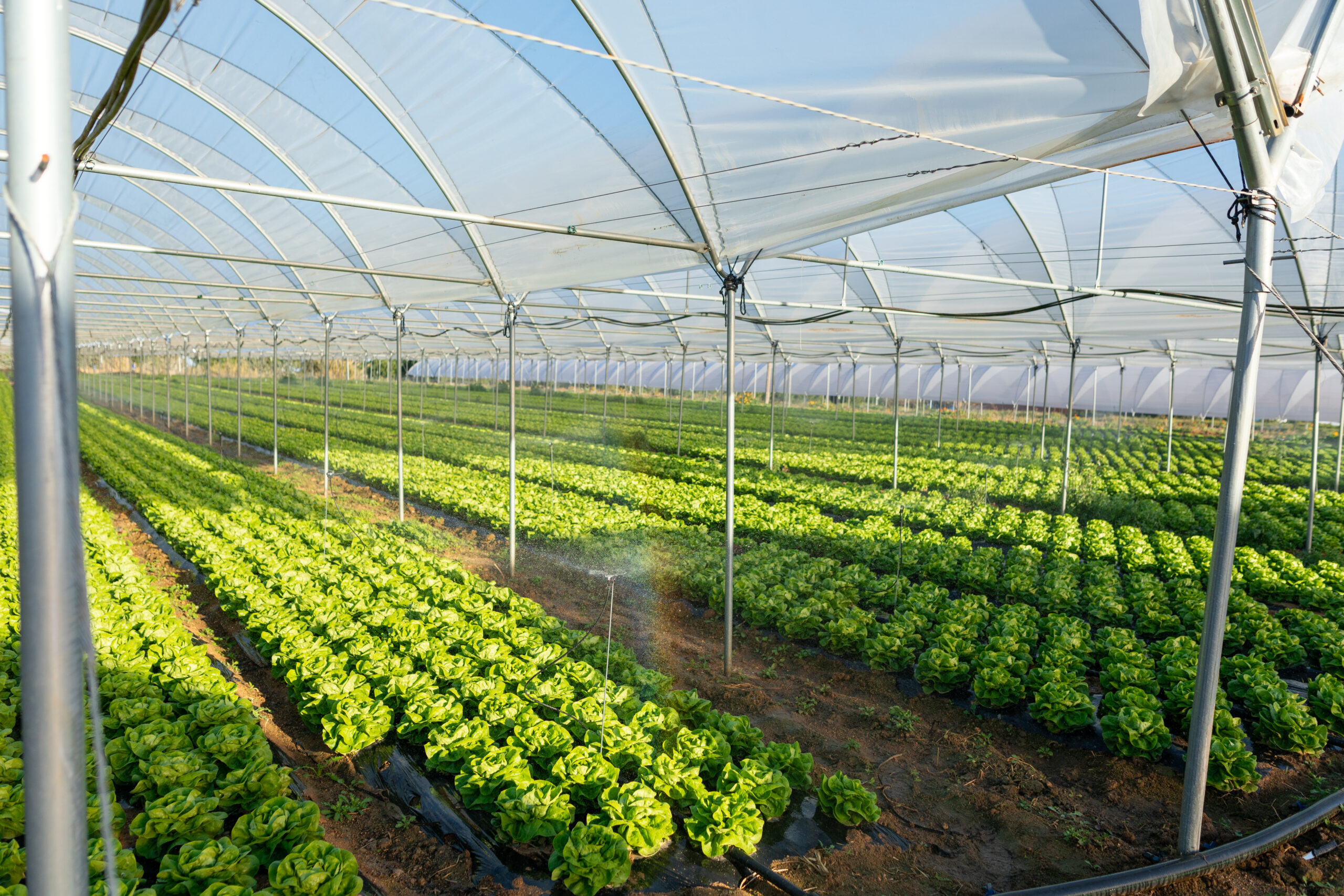
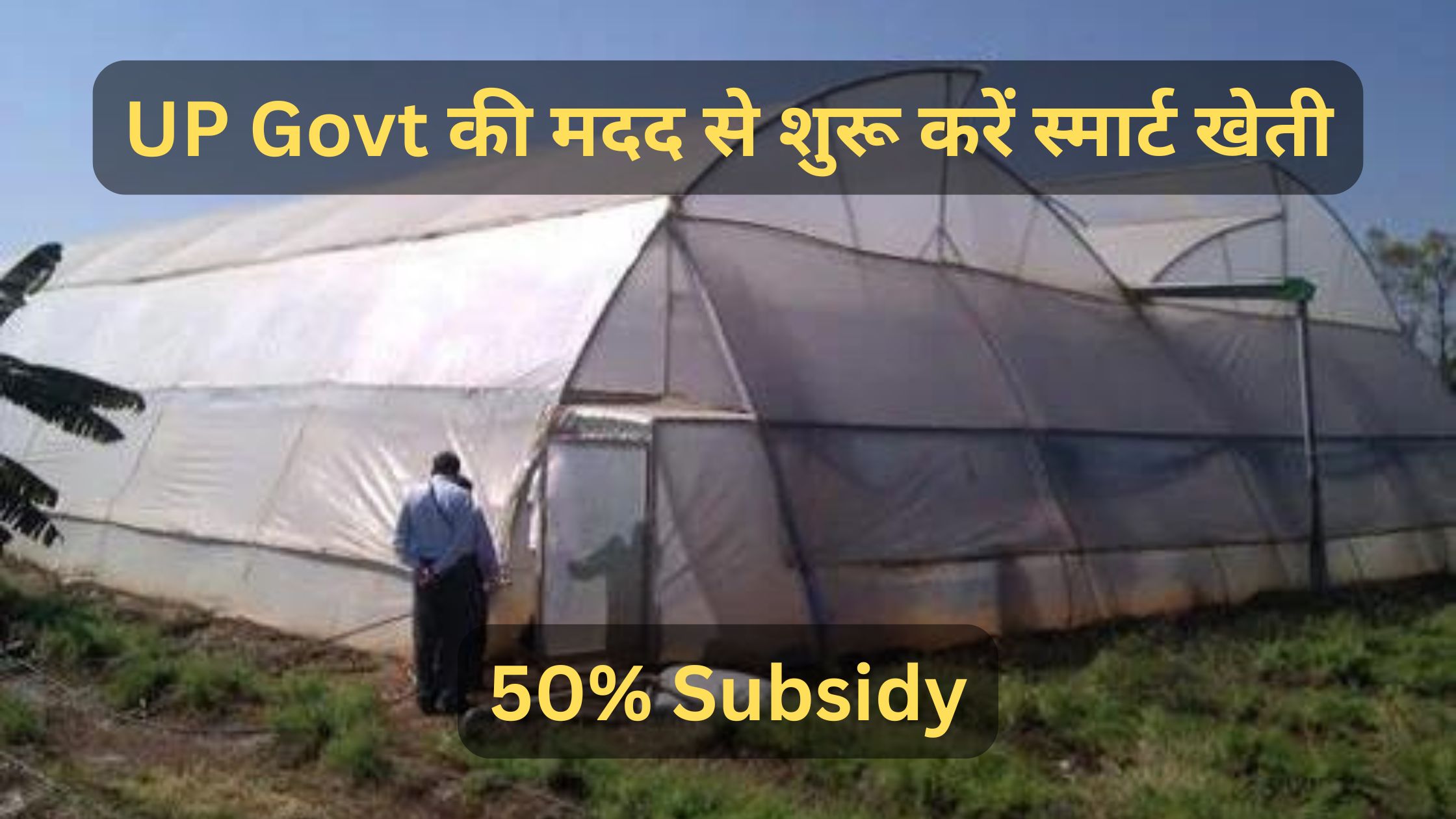
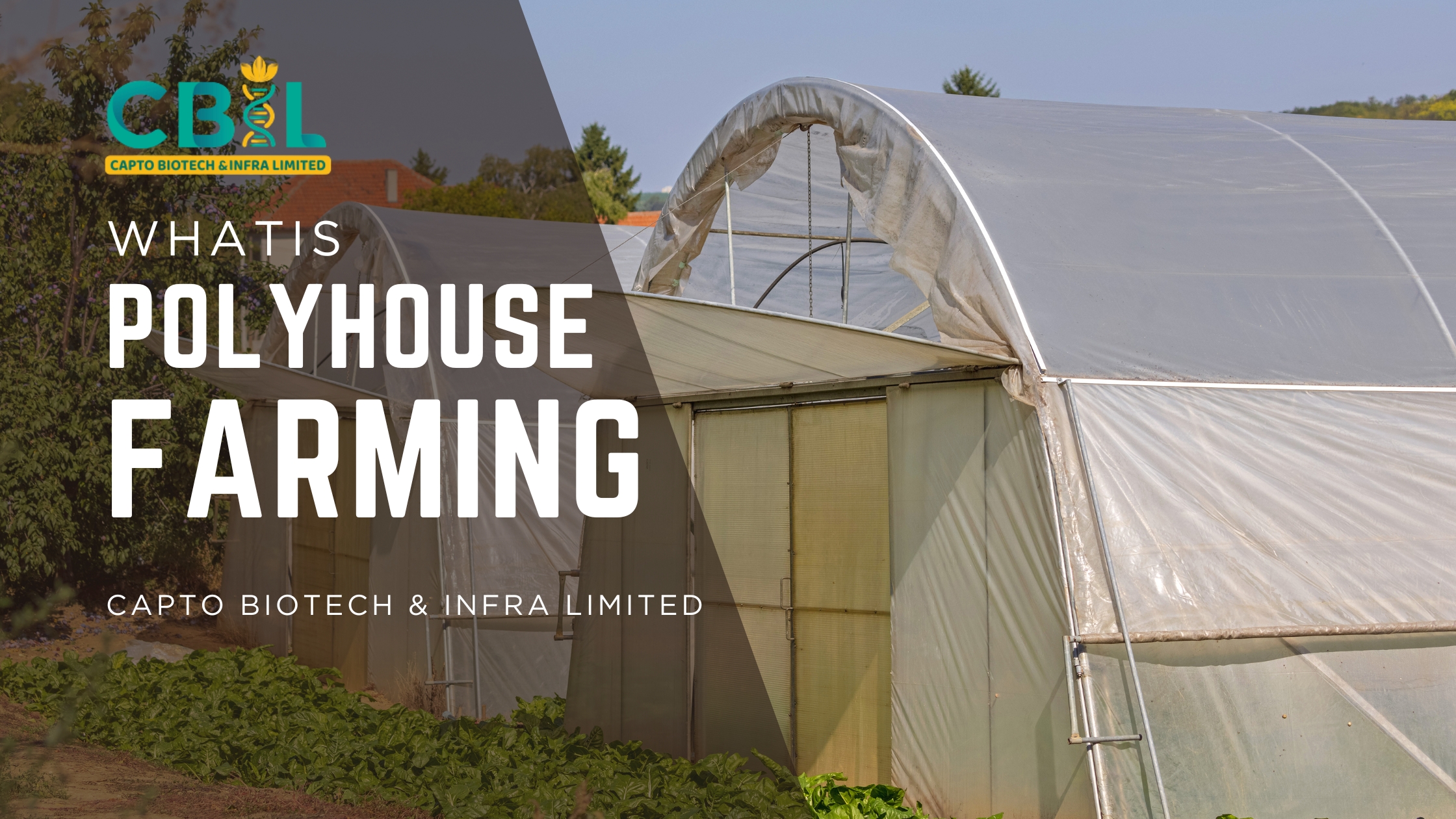
Polyhouse farming is an advanced agricultural technique that provides a controlled environment for plants to grow. A polyhouse is a type of greenhouse, but instead of glass, it is covered with polyethylene, a translucent material that helps maintain the right temperature and climate for crops.
The size of a polyhouse can vary based on needs, ranging from small structures for home gardens to large commercial setups.
How Does a Polyhouse Work?
Temperature Control: The polyethylene covering traps heat from sunlight, keeping the inside warmer than the outside.
Protection from Harsh Weather: It safeguards crops from extreme cold, heavy rain, or strong winds.
Better Crop Growth: The controlled environment allows plants to grow faster and produce higher-quality yields.
By maintaining a stable climate, polyhouse farming enables year-round cultivation and protects crops from external threats, making it a smart choice for modern farmers.
5 Profitable Benefits of Polyhouse Farming
Polyhouse farming is a smart agricultural technique that provides farmers with numerous benefits. While setting up a polyhouse requires an initial investment, the ability to grow crops year-round helps recover costs quickly. Let’s explore the key advantages of polyhouse farming:
1. Reduced Crop Damage
One of the biggest advantages of polyhouse farming is better crop protection. Since plants are grown in a controlled environment under constant supervision, the chances of damage due to pests, harsh weather, or diseases are significantly reduced. Farmers can also monitor and adjust key factors like temperature, humidity, and irrigation, ensuring healthy plant growth.
2. High-Quality Crops
Consumers always look for fresh and high-quality produce, and polyhouse farming makes this possible. The controlled environment ensures:
Better monitoring of plant development.
Efficient water and nutrient management, leading to superior crop quality.
Protection from external contamination, keeping crops safe and fresh.
By maintaining industry-level quality standards, polyhouse farmers can attract higher market demand and better profits.
3. Grow a Wide Range of Crops
Polyhouse farming allows farmers to cultivate a variety of crops, including:
Fruits: Strawberries, papayas, and more.
Vegetables: Tomatoes, spinach, onions, chilies, cauliflower, cabbage, etc.
Flowers: Orchids, roses, marigolds, carnations, and gerberas.
The ability to grow diverse crops ensures farmers can meet market demands and earn throughout the year.
4. Vertical Farming for More Yield
Some crops, like cucumbers and tomatoes, can be grown vertically in a polyhouse, maximizing space utilization. The benefits of vertical farming include:
Increased crop production (3 to 4 times more yield in the same space).
Efficient pruning and training systems, leading to healthier plants.
Better space management, allowing farmers to grow more in less area.
5. Controlled Climate for Better Growth
In regions like Punjab and other North Indian states, temperatures can soar above 30°C during summer, which can be harmful to plants. Polyhouse farming allows farmers to control temperature, humidity, and other climate factors inside the structure.
Cooling systems help during summers to prevent overheating.
Heating systems protect plants in winter, ensuring continuous growth.
This climate control feature allows farmers to grow off-season crops, leading to higher profits.
Conclusion
Polyhouse farming provides year-round crop production, better quality yields, and higher profitability. Farmers are no longer restricted by seasonal changes and can grow crops efficiently in a controlled environment. With proper management, polyhouse farming can be a game-changer for modern agriculture.
Downloaded the vpbetapk and gave it a go. Pretty straightforward app, easy to use on my phone. If you’re into betting on the go, might be worth a download. Check it out: vpbetapk
 By
By 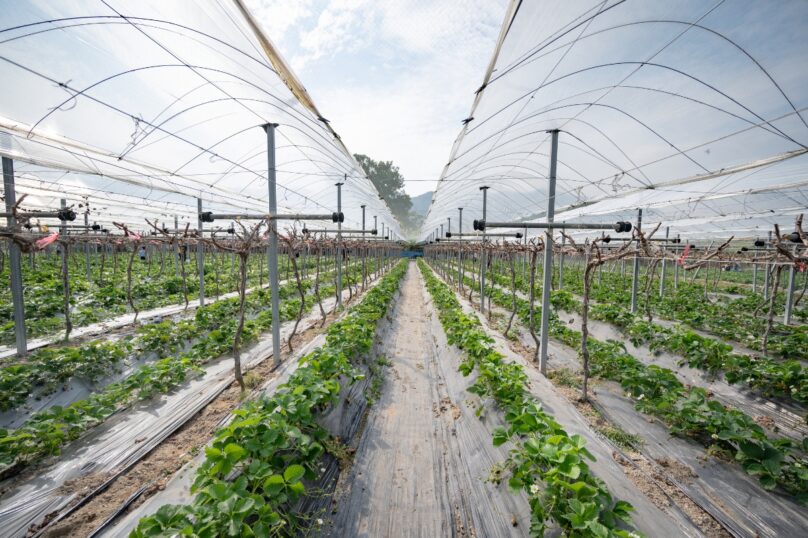



1 Comment
Downloaded the vpbetapk and gave it a go. Pretty straightforward app, easy to use on my phone. If you’re into betting on the go, might be worth a download. Check it out: vpbetapk