Explore How Polyhouse Contribute to Sustainable Agriculture
 By
By 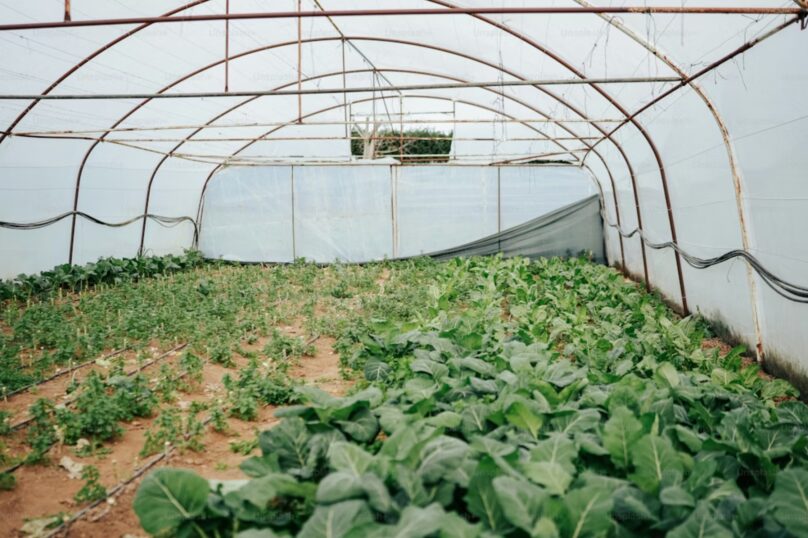
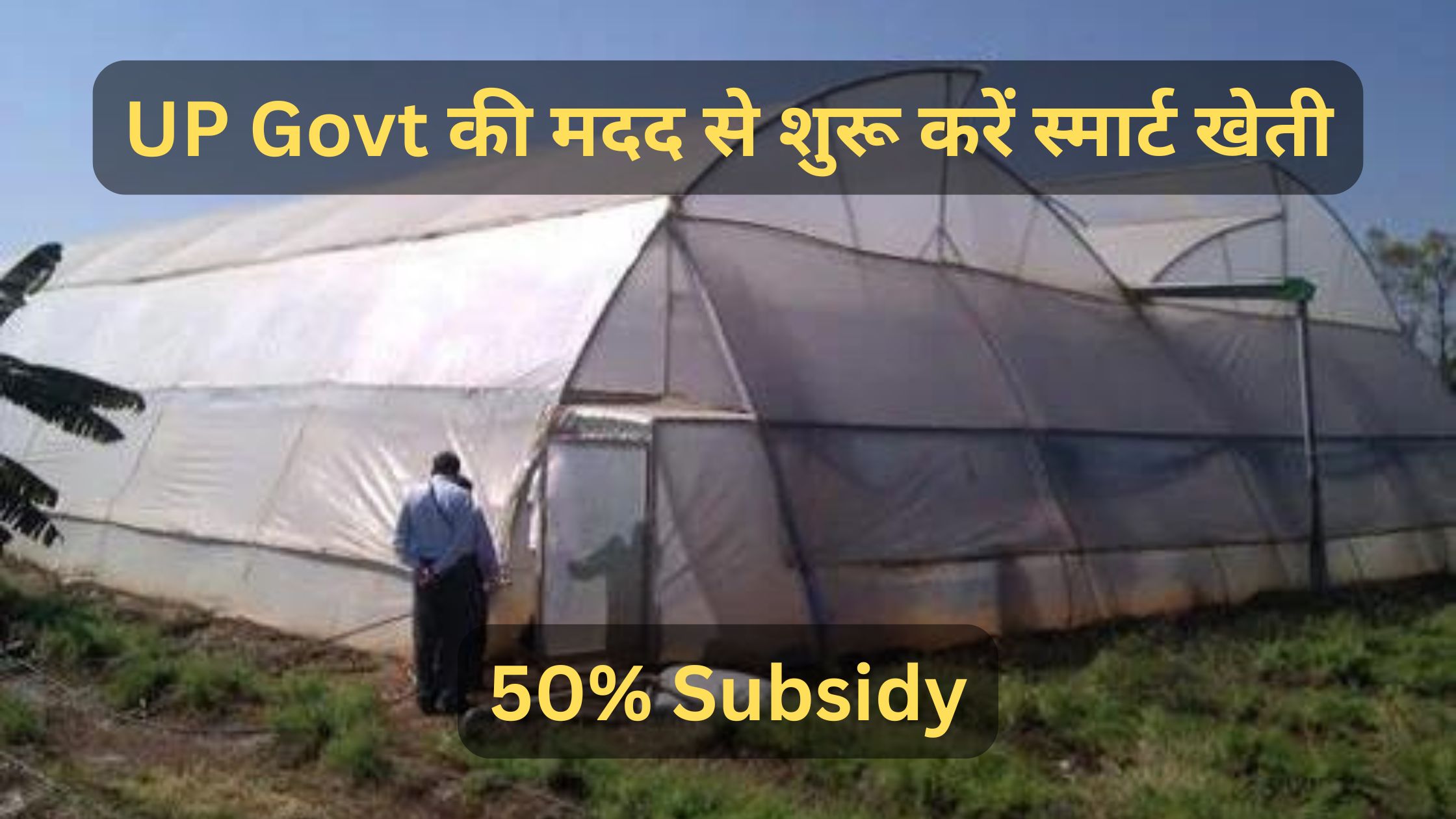
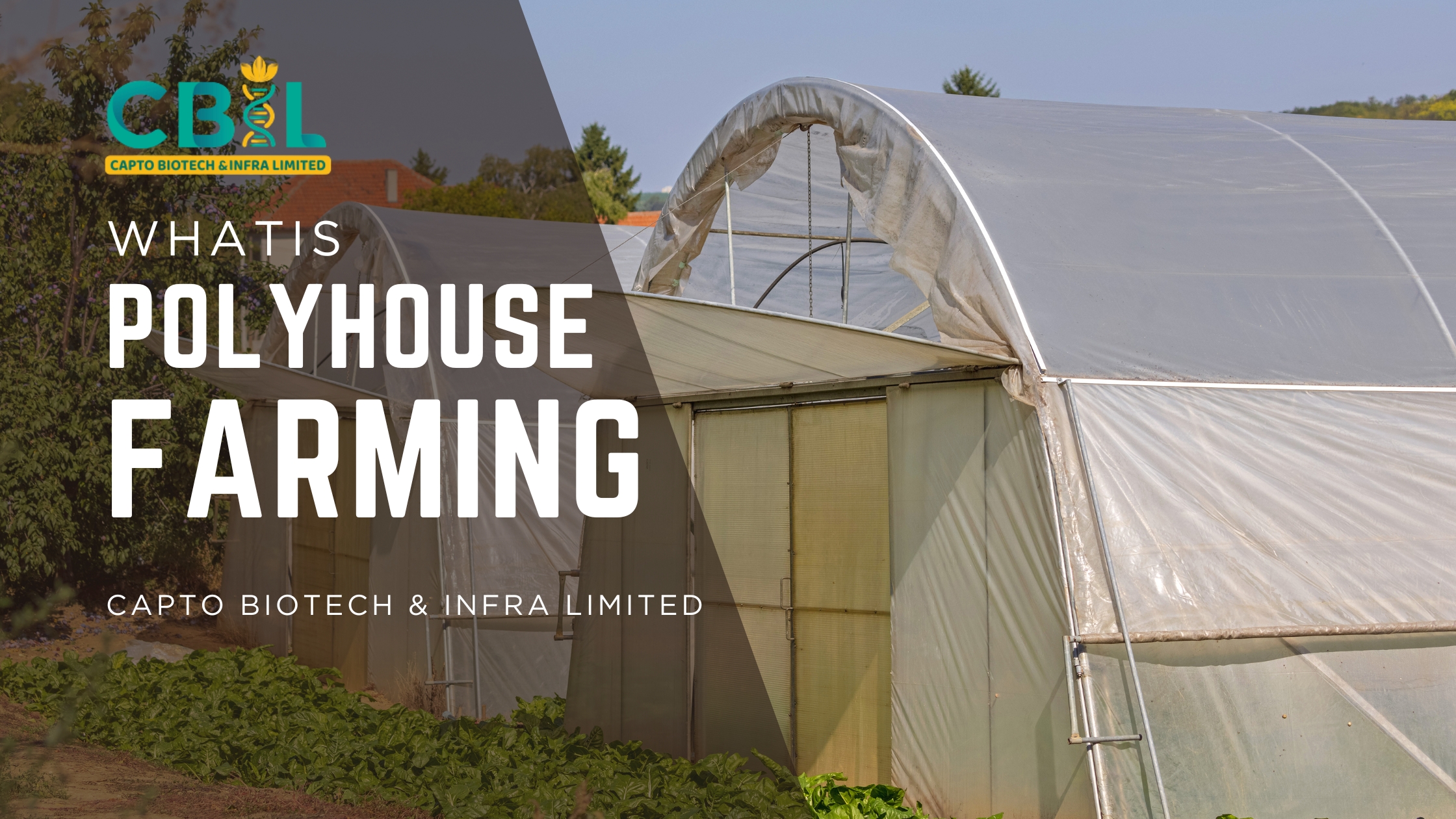
Polyhouse play a significant role in promoting sustainable agriculture by creating a controlled environment that improves crop quality, reduces resource use, and supports year–round production.
Advantages of polyhouse farming
- Greater yield accompanied by enhanced quality – In polyhouse farming, crops are grown in a controlled environment.
- Sustainable use of resources:- Polyhouse play a key role in conserving essential resources like water and fertilizers. By providing an enclosed cultivation environment, they limit water evaporation, enabling farmers to supply crops with exactly the amount of water needed, thereby reducing waste and protecting this valuable resource. Polyhouse farming supports precise fertilizer application, promoting efficient use and lowering the risk of contaminating groundwater.
- Pest and Disease Management:- Polyhouse structures act as a protective shield against pests and diseases that can severely affect crops. By regulating entry into the growing environment, these structures greatly reduce the need for chemical pesticides. This approach promotes healthier produce for consumers while also supporting environmental sustainability.
- Adaptation to climate change – As climate change increasingly disrupts conventional farming methods, polyhouses after an effective solution for safeguarding food production. These controlled environments allow farmers to regulate temperature, humidity, and other climatic factors, shielding crops from unpredictable weather. By mitigating the, reliable yields making them a vital tool in adapting agriculture to a changing climate
*Advancing Sustainable Agriculture through polyhouse farming
Polyhouse farming supports several core principles of sustainable agriculture, such as conserving resources, promoting biodiversity, and minimizing the use of harmful chemicals. By implementing polyhouse techniques, farmers can contribute to the United Nations Sustainable Development Goals (SDGs) related to agriculture and food production. It include
1. Climate adaptability – Polyhouse farming enhances climate adaptability by reducing the impact of climate change on crop production. It allows farmers to achieve stable yields even under variable and unpredictable weather conditions.
2 Efficient and eco-friendly water and nutrient management-Efficient management of water and nutrients in polyhouse reduces wastes, lowers the risk of soil and water pollution, and promotes environmentally responsible farming practices.
Constraints and obstacles in polyhouse farming
- Initial capital – Establishing a polyhouse requires a substantial upfront cost for materials and climate control systems. Nevertheless, the investment can yield significant long-term returns through improved crop yield and quality.
- Specialized labor – Polyhouse farming demands specialized skills and expertise to effectively manage the controlled to effectively and promote optimal crop growth . Ensuring access to skilled labor and providing ongoing training can pose challenges for certain farmers or regions.
*Harnessing the potential of polyhouse farming
Grasping the concept of a polyhouse and its significance in sustainable agriculture opens the door to a more efficient and eco-friendly method of farming. With the right knowledge and resources to apply polyhouse techniques, farmers can address the limitations of conventional agriculture and move toward a more sustainable future.
*Notable developments and technologies in polyhouse agriculture.
1. Automated climate control system
Modern polyhouse structures often incorporate advanced automated climate control systems that can regulate temperature, humidity, and air circulation with precision, ensuring optimal growth conditions for crops.
2 Hydroponic and Aquaponic systems.
An integrated hydroponic and aquaponic system in polyhouse can significantly boost the sustainability of modern agriculture. By removing the need for soil, these advanced methods conserve water and allow for more precise and efficient resource management.
Intelligent, tech–driven farming solutions.
Integrating smart farming technologies –
Including lot devices and data–driven decision-making tools can enhance multiple areas of polyhouse cultivation, from monitoring crops and scheduling irrigation to managing pests and diseases.
* Capto Biotech And Infra Limited: Elevating the value of polyhouse farming
Polyhouse farming plays a vital role in advancing sustainable and eco-friendly agricultural practices. By using these modern structures, Capto Biotech Infra Limited can contribute to solving major global challenges-including climate change, water scarcity, and biodiversity losds-while supporting progress toward the UNITED NATIONS SUSTAINABLE DEVELOPMENT.
Frequently Asked Questions (FAQs)
1. How does polyhouse support sustainable agriculture?
It saves water, reduces fertilizer and pesticide use, improves crop quality, and enables year-round production.
2. Why does polyhouse farming give higher yield?
Because plants grow in a stress-free, controlled environment, resulting in better growth and higher productivity.
3. Does polyhouse farming require fewer chemical pesticides?
Yes. The structure prevents insects from entering, reducing the need for heavy pesticide spraying.
4. How does a polyhouse protect crops from climate change?
It shields crops from rain, heatwaves, frost, storms, and unpredictable weather, ensuring stable yields.
5. Does polyhouse farming support biodiversity?
Yes. It reduces chemical use and allows farmers to grow a wide variety of crops, which helps maintain biodiversity.
6. Is polyhouse farming expensive to start?
Initial investment is high, but long-term returns are strong due to increased yield, better quality, and subsidies.
7. What modern technologies are used in polyhouse farming? Automated climate control systems, IoT monitoring, hydroponics, aquaponics, and smart irrigation tools.