A Beginner’s Guide to Polyhouse Farming: Key Insights & Tips
Polyhouse farming is an advanced agricultural technique that enables farmers to grow crops in a controlled environment. It helps in improving yield, protecting crops from extreme weather, and ensuring better-quality produce. If you are new to polyhouse farming, this guide will provide you with all the essential insights and tips to get started.
What is Polyhouse Farming?
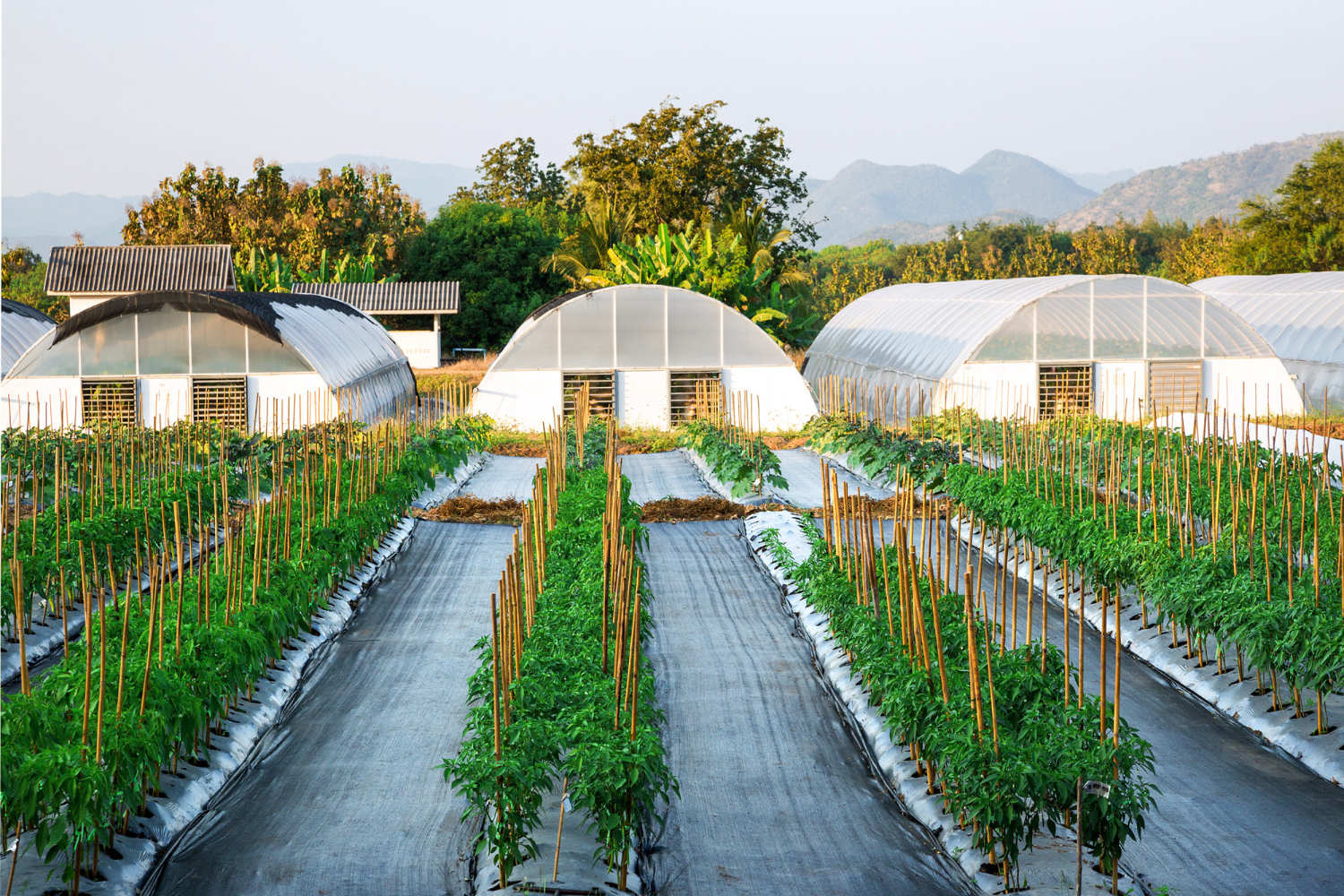
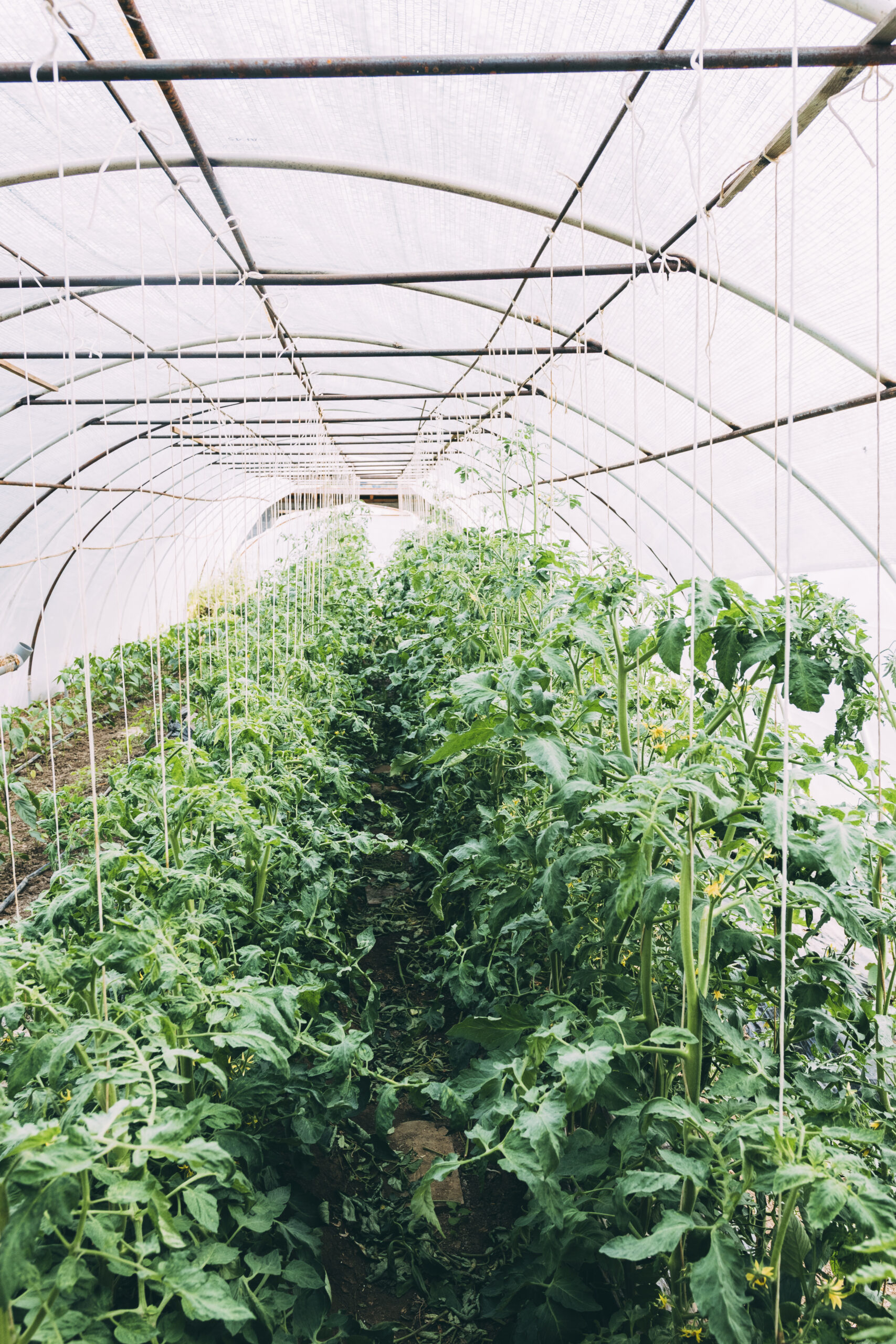
Polyhouse farming is a type of greenhouse farming where crops are grown under a protective structure made of polyethylene sheets. This method helps in regulating temperature, humidity, and other environmental factors to enhance plant growth.
Higher Yield: Crops grow faster and healthier due to controlled conditions.
Year-Round Cultivation: Suitable for growing crops in all seasons.
Pest and Disease Control: Reduces exposure to harmful insects and pathogens.
Water Efficiency: Uses drip irrigation systems, reducing water wastage.
Better Quality Produce: Fruits and vegetables have improved texture, taste, and shelf life.
Essential Components of a Polyhouse
Setting up a successful polyhouse requires the right components.
1. Polyethylene Sheet
UV-stabilized to withstand sunlight exposure.
Available in different thicknesses (200 to 800 microns).
2. Frame Structure
Made of GI (Galvanized Iron), steel, or bamboo.
Provides support to the polyethylene sheet.
3. Irrigation System
Drip irrigation ensures efficient water supply.
Fertigation system for nutrient supply.
4. Ventilation System
Roof vents and side vents for air circulation.
Helps in temperature and humidity regulation.
5. Cooling and Heating System
Foggers, misting systems, or exhaust fans for cooling.
Heaters or thermal curtains for temperature control.
Steps to Set Up a Polyhouse Farm
Step 1: Selecting the Right Location
Choose a site with good sunlight exposure.
Ensure proper drainage to prevent waterlogging.
Accessibility to roads and markets for easy transportation.
Step 2: Choosing Suitable Crops
Select high-value crops like tomatoes, capsicum, cucumbers, and strawberries.
Consider the market demand and climate conditions.
Step 3: Installing the Polyhouse Structure
Construct a strong frame and cover it with a polyethylene sheet.
Polyhouse farming is a profitable and sustainable agricultural practice that allows farmers to grow high-quality crops year-round. By understanding the basics, selecting the right crops, and maintaining proper environmental conditions, you can achieve success in polyhouse farming. Whether you are a beginner or an experienced farmer, investing in this modern technique can significantly improve your agricultural productivity.
Challenges in Polyhouse Farming
While polyhouse farming offers many advantages, there are also challenges to consider.
1. High Initial Investment
Requires significant capital for setup and maintenance.
Government subsidies can help reduce costs.
2. Technical Knowledge Required
Farmers need training on climate control and pest management.
Consulting experts can help in overcoming technical difficulties.
3. Power and Water Dependency
Requires continuous electricity for climate control systems.
Drip irrigation systems need a reliable water source.
Tips for Successful Polyhouse Farming
Start Small: Begin with a small setup and expand gradually.
Choose High-Value Crops: Focus on crops with high market demand.
Regular Monitoring: Check temperature, humidity, and plant health daily.
Use Quality Seeds and Fertilizers: Ensures better yield and disease resistance.
Seek Government Support: Take advantage of subsidies and training programs.