• captobiotechinfo@gmail.com
  • Noida, Uttar Pradesh 201301
  • Home
  • Service
  • Case Study
  • Blog
  • Contact
  • Cluster Farming
Get Free Quote
  • Home
  • Service
  • Case Study
  • Blog
  • Contact
  • Cluster Farming
Get Free Quote
cbil.in
cbil.in
  • Home
  • Service
  • Case Study
  • Blog
  • Contact
  • Cluster Farming

The Future of High-Tech Farming: Innovations Shaping Agriculture

  • Home
  • Case
  • The Future of High-Tech Farming: Innovations Shaping Agriculture

The agricultural industry is undergoing a revolutionary transformation with the integration of high-tech solutions. From AI-driven automation to precision farming, modern technology is enhancing productivity, reducing waste, and ensuring sustainable food production. In this blog, we will explore the future of high-tech farming and the innovations shaping the agricultural landscape.

What is High-Tech Farming?

High-tech farming, also known as smart farming or precision agriculture, involves the use of advanced technologies such as Artificial Intelligence (AI), the Internet of Things (IoT), robotics, and data analytics to improve crop yield and efficiency. This approach minimizes resource wastage and enhances sustainability.

Increased Productivity: Automation and AI optimize farming processes.
Resource Efficiency: Reduces water, fertilizer, and pesticide use.
Sustainability: Helps lower carbon footprint and soil degradation.
Labor Reduction: Robotics and automated systems minimize human effort.
Data-Driven Decisions: Sensors and AI provide actionable insights.

Innovations Transforming Agriculture

Several groundbreaking technologies are shaping the future of farming. Here are some of the key innovations:

1. Artificial Intelligence (AI) & Machine Learning

  • AI-powered tools analyze data to predict weather patterns and crop health.
  • Machine learning algorithms optimize irrigation and nutrient application.
  • AI-based drones detect pest infestations and suggest treatments.

2. Internet of Things (IoT) & Smart Sensors

  • IoT-enabled devices monitor soil moisture, temperature, and nutrient levels.
  • Smart irrigation systems adjust water usage based on real-time data.
  • Sensors track livestock health and optimize feeding schedules.

3. Drones & Robotics in Agriculture

  • Drones provide aerial imaging to assess crop health and detect diseases.
  • Autonomous tractors and robotic harvesters reduce labor dependency.
  • AI-driven weeding robots eliminate the need for excessive herbicides.

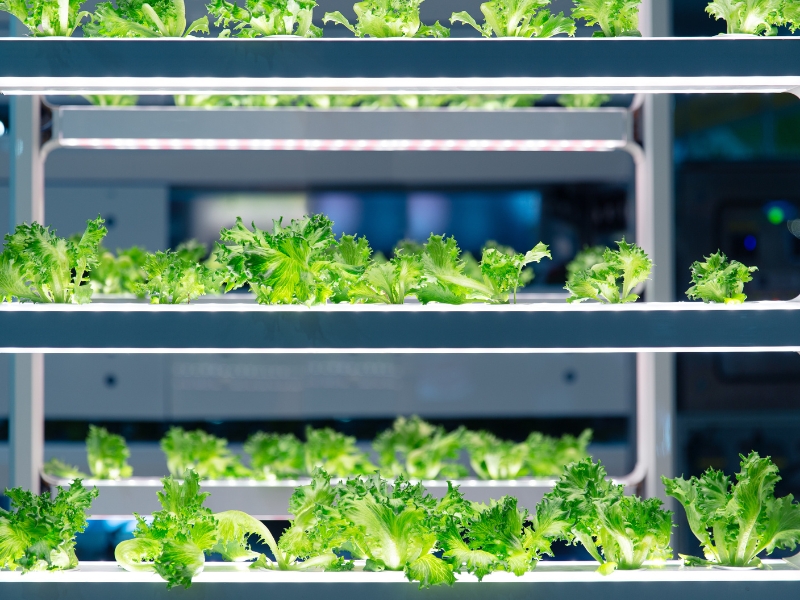
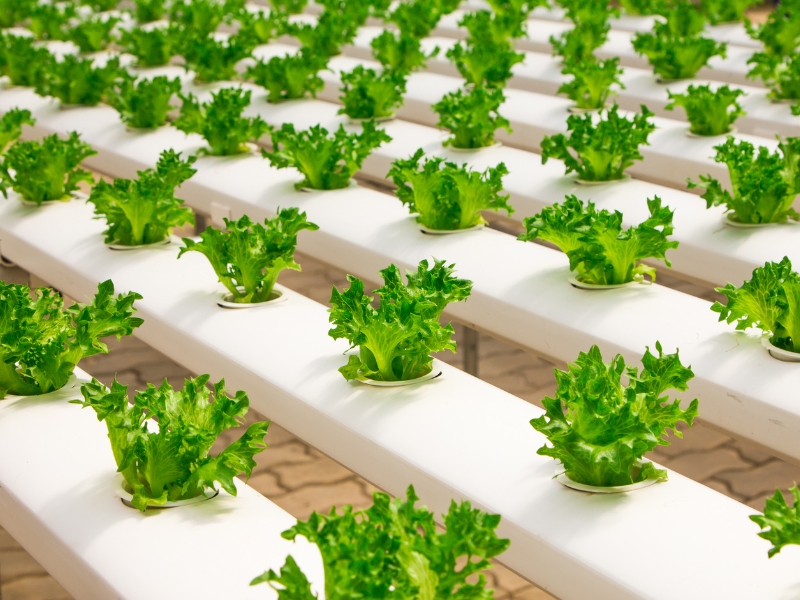
4. Hydroponics and Vertical Farming

  • Soil-less farming methods like hydroponics enable year-round cultivation.
  • Vertical farms use stacked layers to grow crops in urban settings.
  • Controlled-environment agriculture reduces dependency on weather conditions.

5. Blockchain in Agriculture

  • Ensures transparency in the food supply chain.
  • Reduces fraud and improves traceability of farm produce.
  • Enables smart contracts for secure and automated transactions.

6. Biotechnology and Genetic Engineering

  • CRISPR technology helps in developing drought-resistant and high-yield crops.
  • Genetically modified (GM) crops improve nutritional value and pest resistance.
  • Bioengineered fertilizers enhance soil fertility sustainably.

7. Solar-Powered and Renewable Energy Solutions

  • Solar-powered irrigation pumps reduce dependency on fossil fuels.
  • Wind and biogas energy help in sustainable farming practices.
  • Renewable energy reduces overall operational costs.

The Future of High-Tech Farming

The next decade will see even greater advancements in agricultural technology. Here’s what to expect:

1. AI-Driven Autonomous Farms

  • Farms will become fully automated with AI-powered machinery handling all tasks.
  • Robots and drones will replace manual labor, making farming more efficient.

2. Smart Greenhouses & Controlled Environment Agriculture

  • Climate-controlled greenhouses will allow precision farming.
  • AI-driven sensors will optimize lighting, CO2 levels, and irrigation.

3. Integration of 5G Technology

  • Faster connectivity will enhance IoT applications in farming.
  • Real-time data analysis will become more efficient with low-latency networks.

4. Personalized Farming Solutions

  • AI will enable farmers to receive customized recommendations for crop management.
  • Data analytics will optimize farm inputs based on soil and climate conditions.

5. Sustainable and Regenerative Agriculture

  • Focus on carbon sequestration and regenerative practices.
  • Increased use of eco-friendly fertilizers and pesticides.

Conclusion

High-tech farming is revolutionizing agriculture by increasing efficiency, reducing waste, and ensuring food security. With continuous advancements in AI, IoT, and automation, the future of farming looks promising. While challenges exist, investments in technology, training, and infrastructure will drive the industry forward. By embracing these innovations, farmers can achieve higher yields, improved sustainability, and a more resilient agricultural system.

Project Information
Wesley Jonson
Financing Management
Location:
22 Oct 2023 - 12 Nov 2023
Get best Consultancy
Need Help? Call Us Now
+91 9811459488
mask

Modern farming enhances agriculture with advanced, affordable, and sustainable techniques. CBIL specializes in horticulture, helping farmers reduce costs, boost profitability, and adapt to market fluctuations with scientific innovations.

Contact CBIL
Raise Your Query
+91 9811459488
Send Us Email
captobiotechinfo@gmail.com
Visit Our Location
H-213, Sector 63 Rd, Electronic City, H Block, Sector 63, Noida, Uttar Pradesh 201309
Sales Info
  • About Us
  • Our Services
  • Contact Us
  • Blog
  • Case Study
Sales Info
  • Polyhouse Farming
  • Shade Net Farming
  • High-Tech Farming
  • Green Farming
  • Futuristic Farming Solutions
  • Agricultural & Farm Consultants

Copy@ 2024 CBIL. All rights reserved