Polyhouse Farming: A Complete Guide to Modern Protected Cultivation.
 By
By 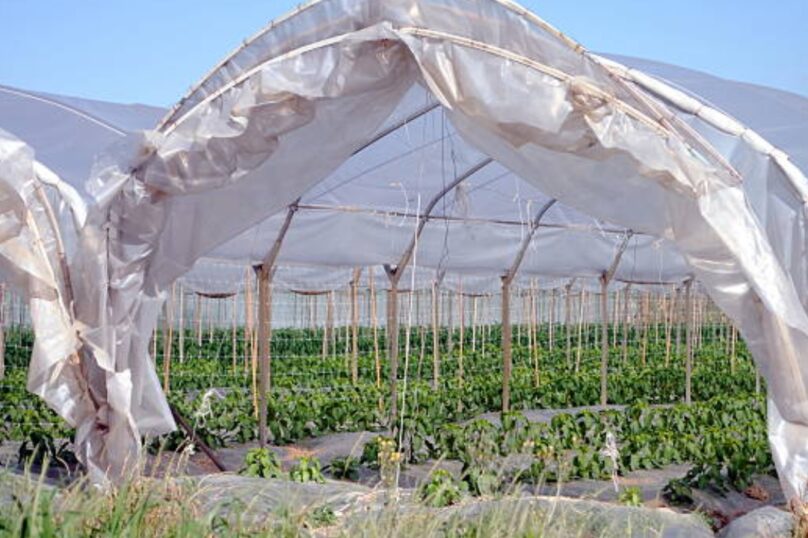
Grow More Earn More Farm Smarter
About Polyhouse Farming
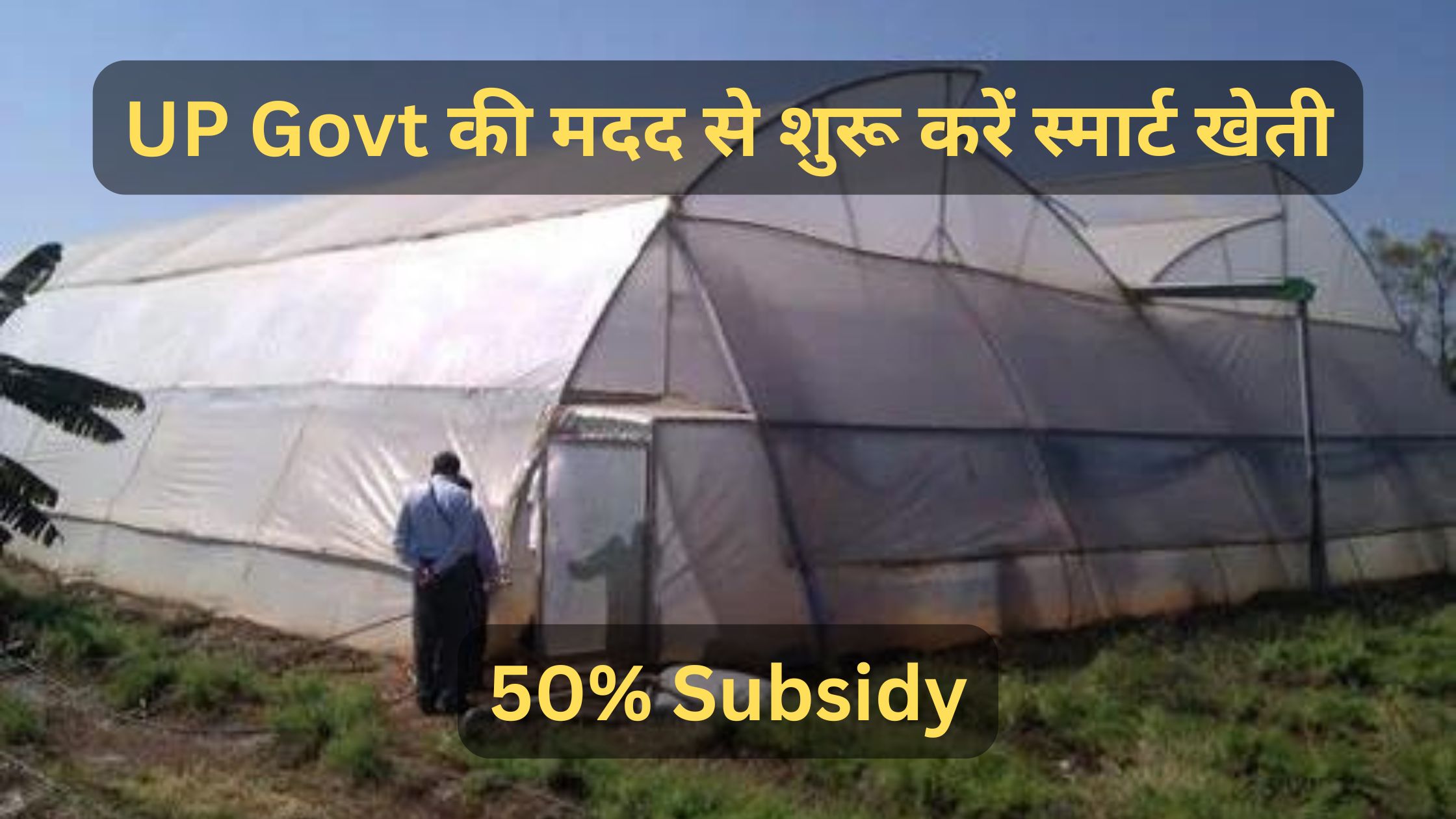
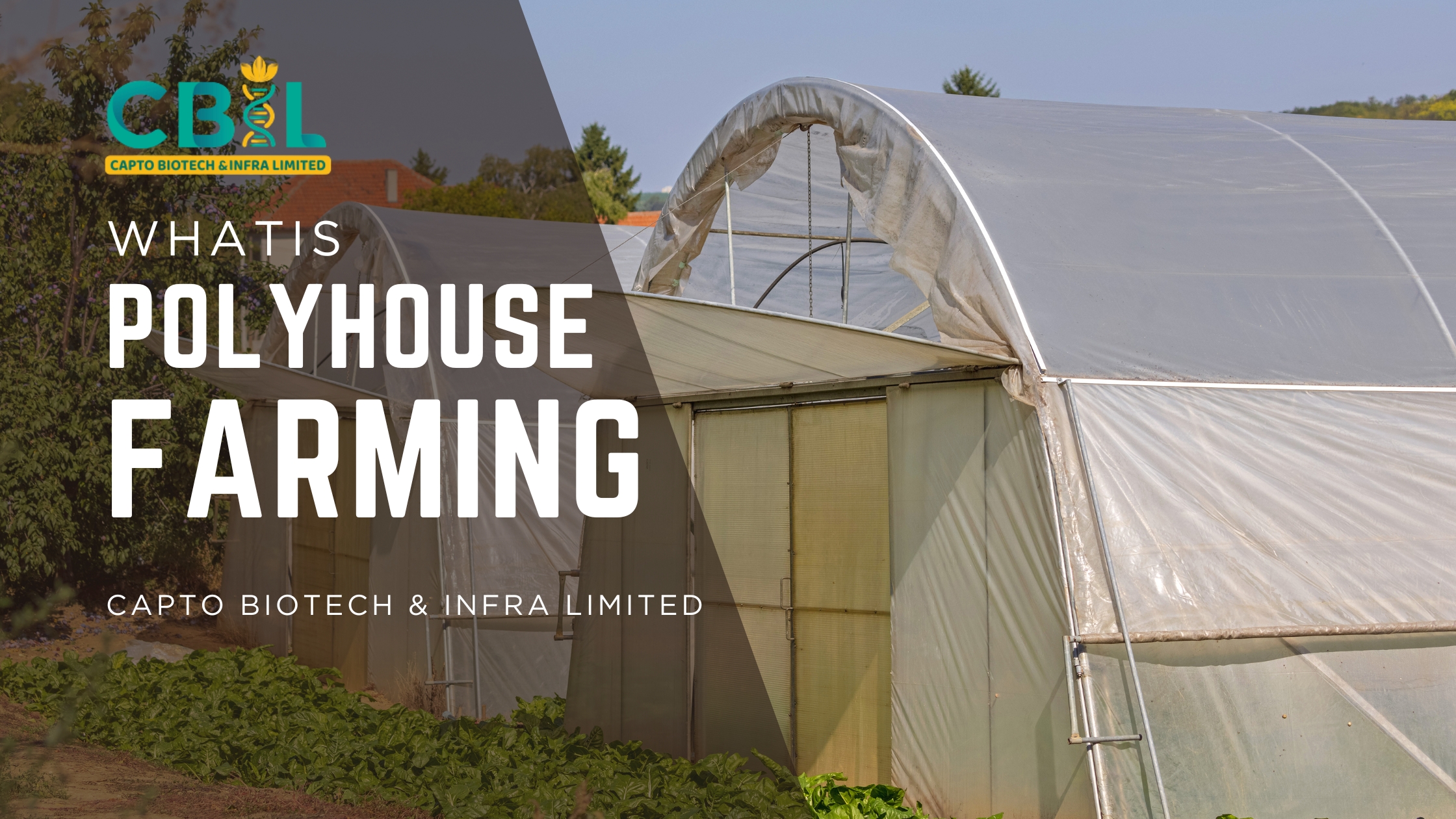
Polyhouse farming is a method of growing crops inside a specially designed house made of transparent material like plastic sheets.
This structure protects plants from excess heat, rain, wind, and insects. Because the environment inside Polyhouse can be controlled – temperature, humidity, and light – Plants grow faster, healthier and give higher yields.
Farming can grow vegetables, flowers, fruits, and nursery plants throughout the year, even in bad weather. Polyhouse farming uses less water, reduces pest attacks, and improves the quality of produce. It gives good profit in the long run due to better productivity and continuous supply.
Understanding what is polyhouse farming
Step 1– Research, planning, and goal setting – Research planning ensures that you understand what crops to grow, how to grow them efficiently, and where to sell them.
Goal setting provides a roadmap to achieve profitability and sustainability in polyhouse farming. Together, they reduce risk, optimize resource use, and increase chances of success.
- Step 2-Site selection and preparation-
- Topography and Land slope –
Prefer flat or gently sloping land for uniform water distribution and easy construction.
Avoid low – laying areas prone to waterlogging.
- Soil Quality
Well – drained loamy soil is ideal, avoid heavy clay or sandy soils.
Soil should have good water retention but not stagnant.
- Water Availability
Reliable water source is essential for irrigation.
Water quality must be suitable for crops (low salinity, neutral pH free from contaminants)
Ideally, a water storage system should be available to ensure supply during dry periods.
- Climate and Microclimate.
Moderate temperatures, less humidity fluctuation, and good sunlight availability improve polyhouse efficiency. Avoid areas with strong winds, heavy snowfall, or frequent storms (these increase structural risk)
5. Accessibility.
Easy access for transporting inputs and harvested crops. Close to roads, markets, and storage facilities to reduce post – harvest losses.
Step 3 – Design and construction of polyhouse structure
Type of polyhouse –
1. Naturally ventilated
2. Insect proof net house
3. Fan-and pad
2. Construction material – The frame is commonly made of Galvanized steel, Aluminium,or PVC Pipes which provide strength and prevent rusting . The structure is covered with UV – stabilized polyethylene film or polycarbonate sheets to allow sufficient light while protecting crops from harsh weather. Additional components include gutters for drainage, shade nets ventilation system for temperature control, and drip or sprinkler irrigation system used for efficient water management.
3. Size and Layout – The size and layout of a polyhouse depend on factors such as crop type, available land, climate, and production goals. A well- planned layout enhances productivity, reduces labor, and supports healthy crops.
4. Ventilation temperature and humidity control- Ventilation helps regulate fresh air flow, remove excess heat, and maintain optimal carbon dioxide level for plant growth. Temperature control is equally important as high temperature can stress plant and reduce yield. Humidity controls ensures that moisture level remain within the ideal range to prevent fungal diseases and support efficient transpiration.
Step 4- Crop selection and cultivation technique- It focuse on maximizing yield and quality by using a controlled environment. Farmer should choose high value and climate sensitive crops such as capsicum, tomatoes, cucumber, flower like gerbera and roses.
1. Crop rotation– Implement a crop rotation strategy to reduce the risk of soil – borne diseases, ensure nutrient availability, and maintain soil health.
2 Disease and Pest Management- Use diseases free seedling or seeds or choose plant varieties that are resistant to diseases or pests.
Step 5 Irrigation and Nutrient Management- Crops are irrigated using drip or sprinkler system to maintain optimal soil moisture and prevent water logging. Nutrients are supplied through fertigation, providing the required NPK and micronutrients at different growth stages ,along with organic manures or biofertilizers to maintain soil health and ensure healthy high yielding crops.
Step 6 Monitoring and Maintenance – It involves regularly checking environmental condition like temperature, humidity, and soil moisture to ensure optimal growth. It includes inspecting irrigation system, vents, and shading nets, controlling pests and disease keeping structured clean and repaired.
NOTE : Pioneering the next era of Agriculture with Capto Biotech Infra Limited..
The company mission is to lead the agricultural sector into a new era-where innovation technology, and sustainability work together to shape a smarter and more prosperous future for global agriculture.
FAQs
1. What is Polyhouse farming and how does it work?
Polyhouse farming is a protected cultivation method where crops are grown inside a structure covered with transparent plastic. This setup controls temperature, humidity, and light, helping plants grow faster and healthier.
2. Which crops are most profitable to grow in a polyhouse?
Highly profitable crops include capsicum, tomato, cucumber, cherry tomato, gerbera, rose, strawberry, leafy greens, and nursery plants. These give high returns due to controlled climate and year-round production.
3. How much does it cost to set up a polyhouse in India?
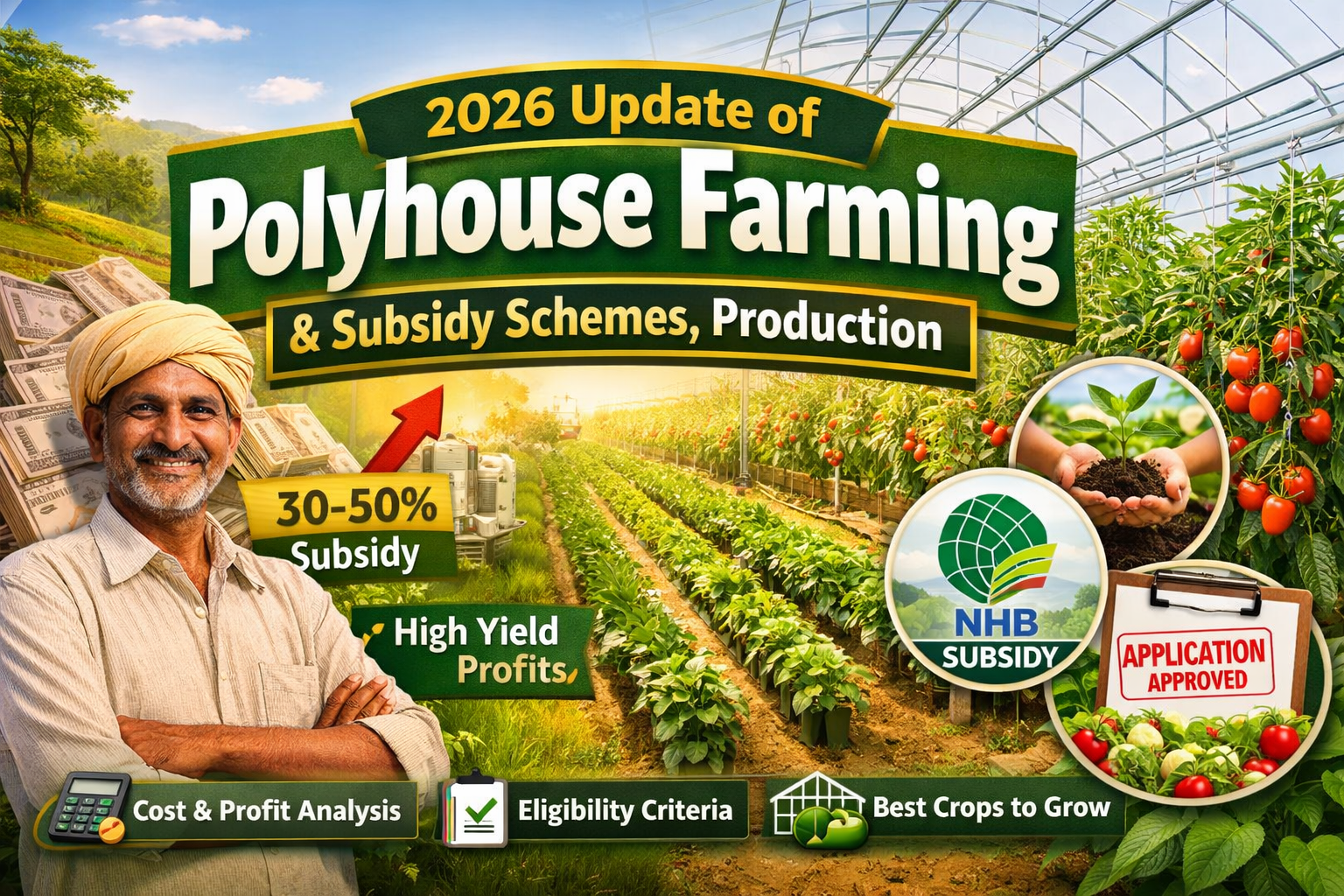
The cost depends on size, material, and type (naturally ventilated or fan & pad). On average, a polyhouse costs ₹700–₹1,200 per sq.m, and the government provides 50–80% subsidy depending on the state.
4. Is polyhouse farming profitable for small farmers?
Yes. Polyhouse farming increases yield by 3–5 times, reduces pests, saves water, and ensures year-round production. With high-value crops, farmers can recover investment within 2–3 years.
5. What size of polyhouse is best for beginners?
A 1000 sq.m (1 acre = 4000 sq.m) naturally ventilated polyhouse is ideal for beginners. It is affordable, easy to manage, and suitable for vegetables and flowers.
6. What type of irrigation system is used in polyhouse farming?
Polyhouses use drip irrigation with fertigation. This ensures accurate water and nutrient supply, prevents wastage, and promotes high-quality produce.
7. Can polyhouse farming be done in hot or cold regions?
Yes. Polyhouses work in all climates, but ventilation, shading, and cooling/heating equipment may be required depending on the region.
8. How long do polyhouse plastic covers last?
UV-stabilized polyhouse film lasts 3–5 years depending on quality, climate, and maintenance.