Polyhouse vs Open Field Farming : Which One Gives Better ROI
 By
By 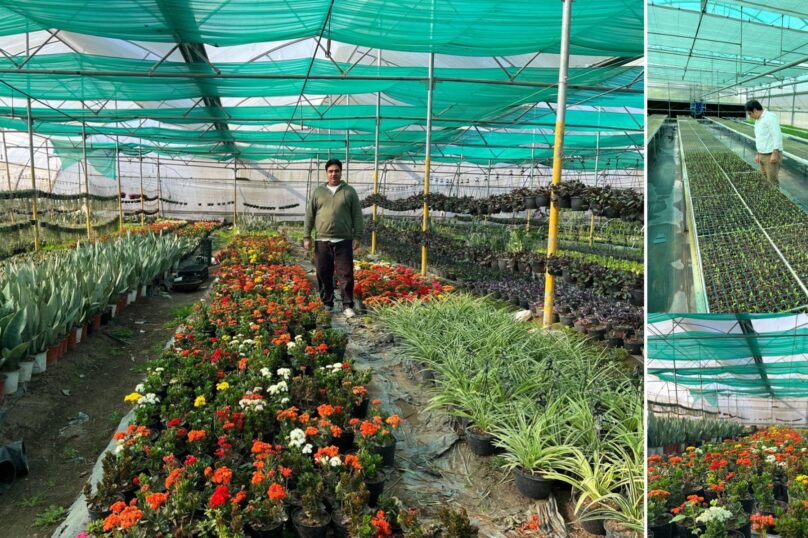
In recent years, the agricultural landscape has been undergoing a silent revolution. As farmers search for ways to combat unpredictable weather, rising pest attacks, and fluctuating tyields, polyhouse farming has emerged as a promising solution.
What is polyhouse farming?
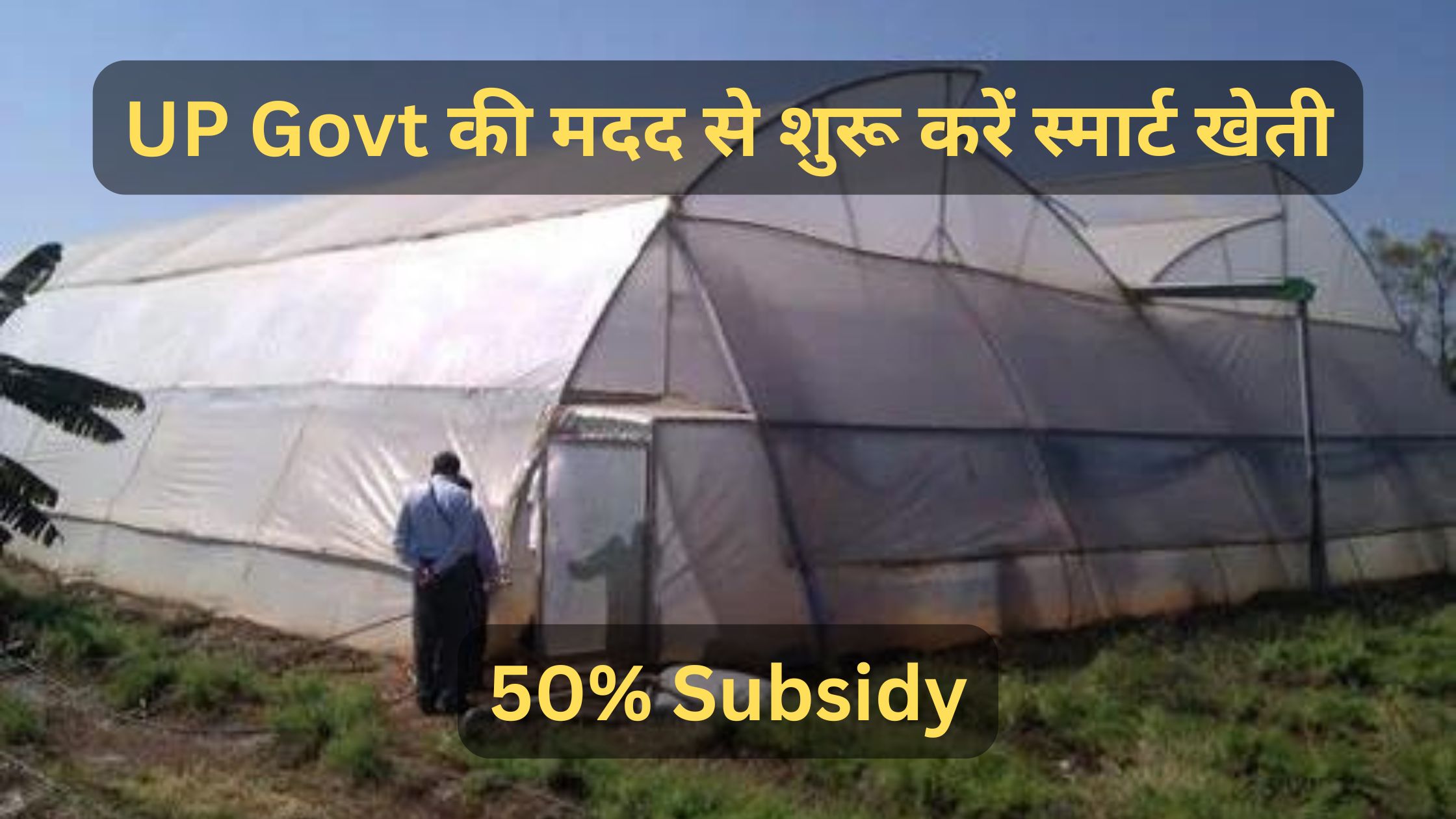
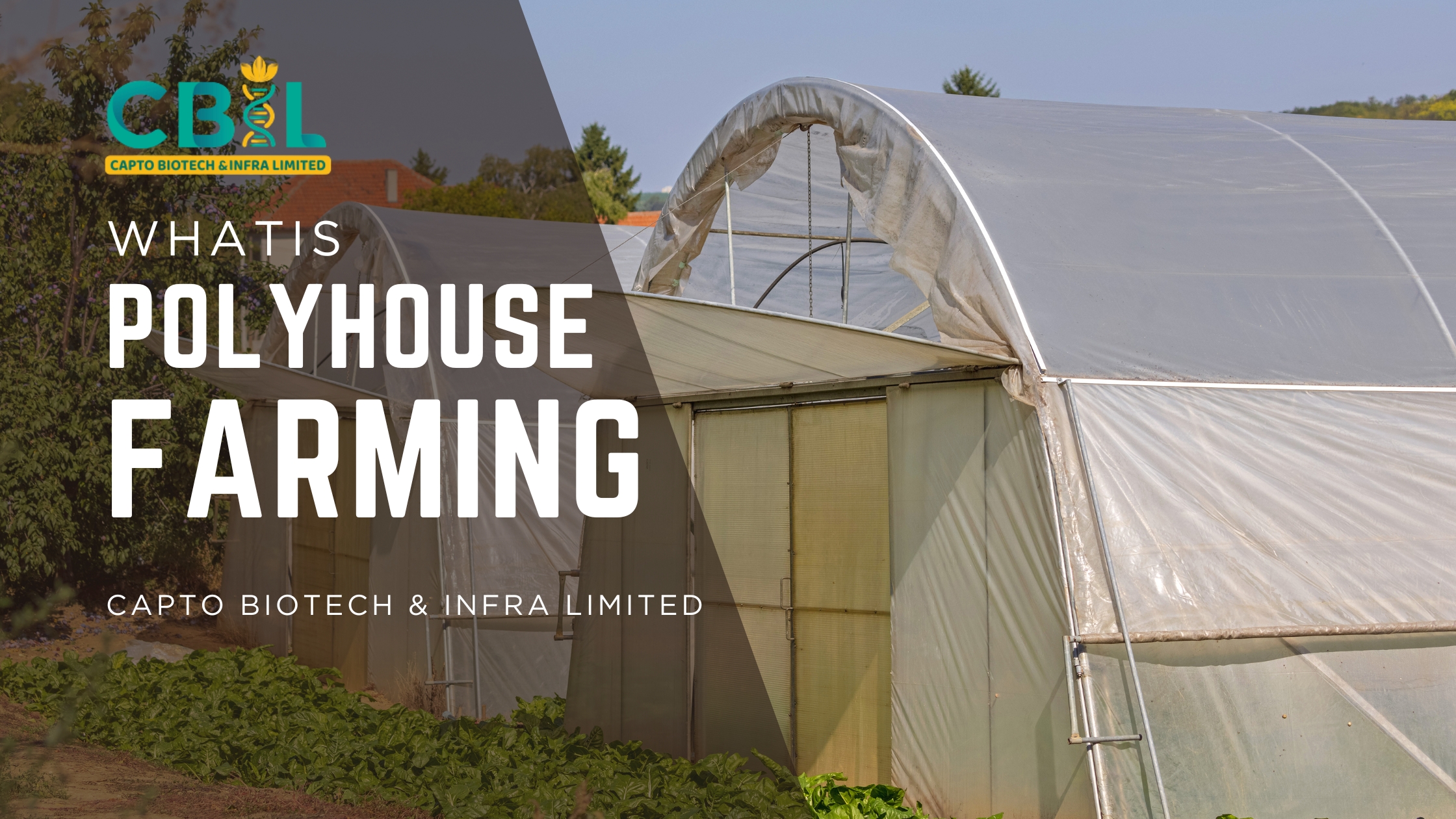
A polyhouse is a protected structure made of polythelene sheets that create a controlled environment for plants. Think of it as a mini – greenhouse where you can regulate temperature, humidity, irrigation, sunlight exposure, and pest entry.
It allows crops to grow irrespective of external weather conditions- be it heavy rain, scorching sun, or frost. This makes it ideal for high value, sensitive crops like capsicum, tomatoes, cucumbers, flowers and exotic vegetables.
What is open field farming?
Open field farming is the traditional method of gowing crops directly in the natural environment, using sunlight, rain, and soil as they are. Most staple food crops such as wheat, rice maize, sugarcane, and pulses are grown in open fields.
Polyhouse Farming vs open field farming : A detailed comparsion
- Environmental control Polyhouse: Offers precise control over climate. Temperature, humidity, irrigation, and light can be regulated
Result : Year round cultivation and better crop quality.
Open Field: Fully exposed to natural climate variations like drought,heat waves ,heay rain ,or cold spells.
Result : Yield inconsistency due to weather unpredictability.
2 Crop yield and productivity
Polyhouse
Crops grown inside polyhouse often produces 2-5 times more yield because of optimum growing condition and protection from pests.
Open field
Yield depends strongly on rainfall, season, soil quality, and pest pressure. Productivity is generally low.
3 Pest and Disease Management
Polyhouse
The enclosed space reduces pest entry and limits disease spread.
Result: Less pesticide use and healthier produce.
Open field
High exposure to insect, disease, and weeds.
Result : Higher pesticide usage and sometimes lower crop quality.
4 Water Efficiency
Polyhouse : Drip irrigation and controlled watering systems reduce water wastage by up to 50-70 % perfect for areas facing water scarcity.
Open field
Flood irrigation and natural rainfall can lead to overuse or underuse of water depending on the season.
5 Cost of production
Polyhouse
Requires high initial investment for structure, irrigation system, and maintenance.
Open Field
Low setup cost and minimal infrastructure required.
Suitable for farmers with limited capital or large land areas.
6 Crop Variety
Polyhouse
- Capsicum
- Tomato
- Strawberry
- Cucumber
- Flower (Gerbera, Rose, Carnation )
- Exotic vegetables (Lettuce, Broccoli)
Open Field
Ideal for robust, large – scale, staple crops:
- Wheat
- Rice
- Sugarcane
- Cotton
- Maize
- Pulses and oilseeds
- Labor Requirement
Polyhouse
Needs skilled labor for managing climate controls, pruning, and precise irrigation.
Open field
Labor requirements vary by season but are usually less technical and more general.
Frequently Asked Questions (FAQs)
- Which farming method gives better ROI—polyhouse or open field?
Polyhouse farming generally offers higher ROI because of increased yields (2–5 times), premium-quality produce, and year-round production.
However, it requires high initial investment, so ROI is best when growing high-value crops like capsicum, cucumber, tomato, gerbera, rose, etc.
Open-field farming has lower ROI but also low investment.
- Is polyhouse farming profitable for small farmers?
Yes, but only if:
- They grow high-value crops
- Have good market access
- Use efficient management
Small farmers may also use government subsidies (40–60%) to reduce initial cost.
- What crops are best suited for polyhouse farming?
- Capsicum
- Tomato
- Cucumber
- Lettuce
- Broccoli
- Strawberry
- Flowers: Gerbera, Rose, Carnation
These crops give maximum output and profit under controlled conditions.
- What crops are NOT suitable for polyhouse farming?
Large-scale staple crops such as:
- Wheat
- Rice
- Sugarcane
- Maize
- Pulses
These are better suited for open-field farming due to their large spacing and low market prices.
- Why does polyhouse farming give higher yield?
Because it offers:
- Controlled temperature
- Controlled humidity
- Drip irrigation
- Protection from pests and rain
- No seasonal limitations
This leads to consistent and faster plant growth.
- Does polyhouse farming reduce pest attacks?
Yes.
The structure prevents most pests from entering, reducing pesticide use and improving crop quality.
- What is the biggest disadvantage of polyhouse farming?
The high initial investment (₹600–₹1,500 per sq meter depending on type) is the biggest challenge.
Maintenance and skilled management are also required.
- How much water can be saved in polyhouse farming?
Polyhouse farming uses 50–70% less water due to drip irrigation and controlled environment.
This makes it ideal for water-scarce regions.
- Which farming method needs more skilled labor?
Polyhouse farming needs technically skilled labor for:
- Climate control
- Irrigation scheduling
- Pruning and training
- Fertigation management
Open-field farming requires less skilled labor.
- Is year-round production possible in polyhouse?
Yes.
Polyhouses allow farmers to grow crops in all seasons, even during heavy rain, extreme heat, or winter frost.
- Which method gives better crop quality?
Polyhouse farming gives superior quality because of:
- Less pesticide usage
- Controlled growth conditions
- Uniform fruits and vegetables
This often helps farmers earn premium prices.
- Is polyhouse farming dependent on weather?
Only partially.
The inside environment is controlled, so external weather has minimal impact—unless there is extreme storm damage.
- Can a farmer start polyhouse farming without prior experience?
Yes, but training is strongly recommended.
Many state horticulture departments and agri universities offer short-term courses.
- Does open-field farming still have advantages?
Yes. Open-field is better for:
- Large-scale crops
- Lower investment
- Traditional farming practices
- Farmers with large land areas
- What is the ideal land size for setting up a polyhouse?
Even 500–1000 sq meters is enough for a profitable polyhouse, especially for vegetables or flowers