Principles of Polyhouse Farming – Capto Biotech
 By
By 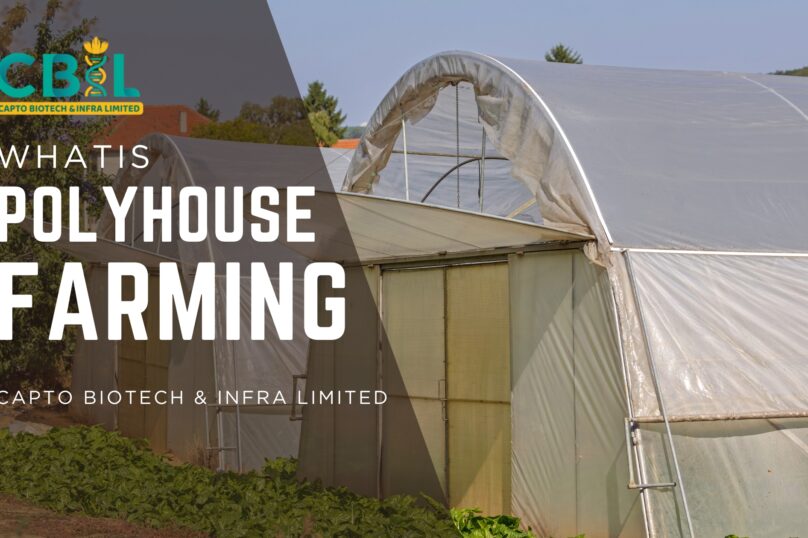
What is polyhouse farming? (पॉलीहाउस खेती क्या है?)
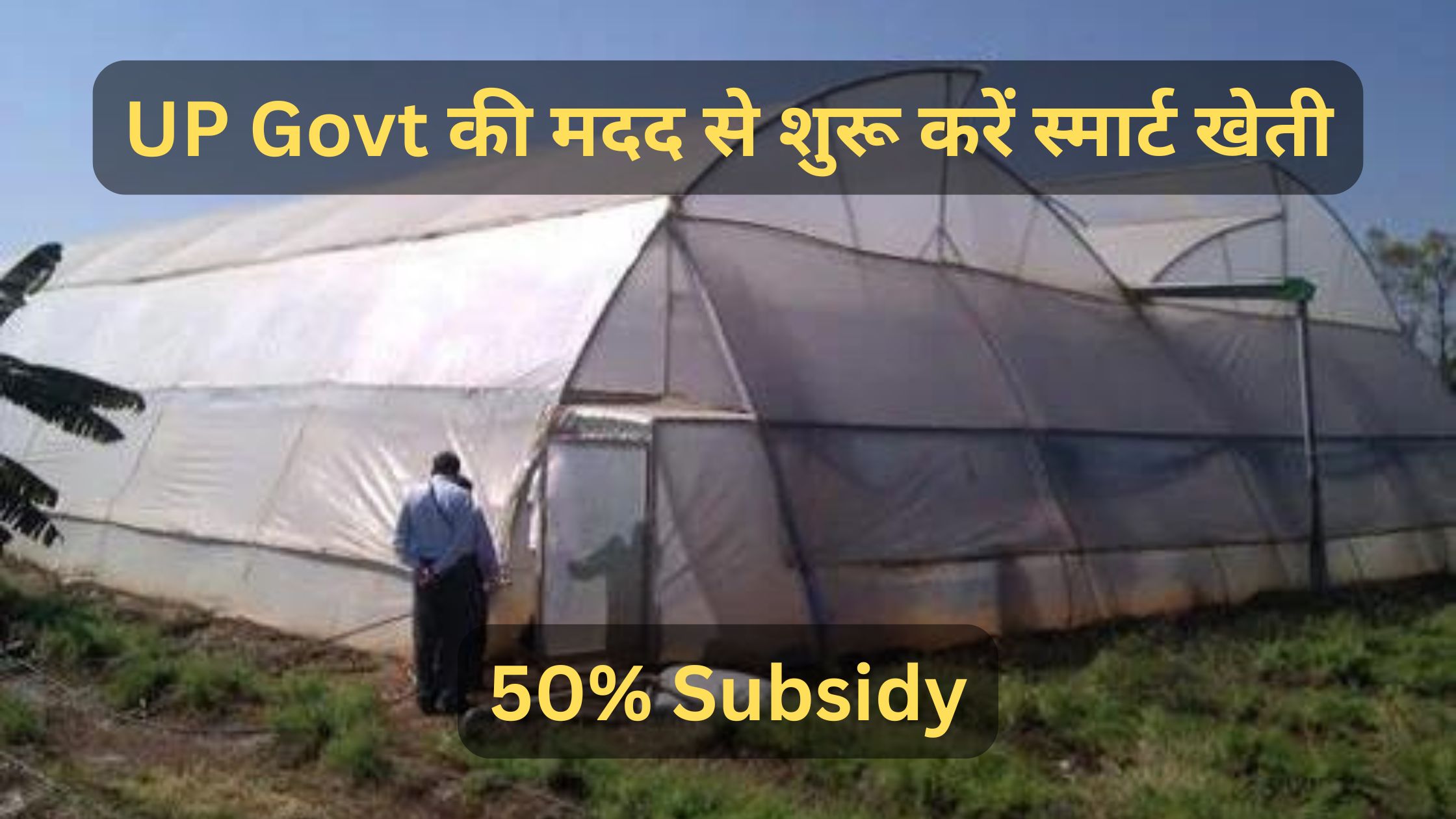
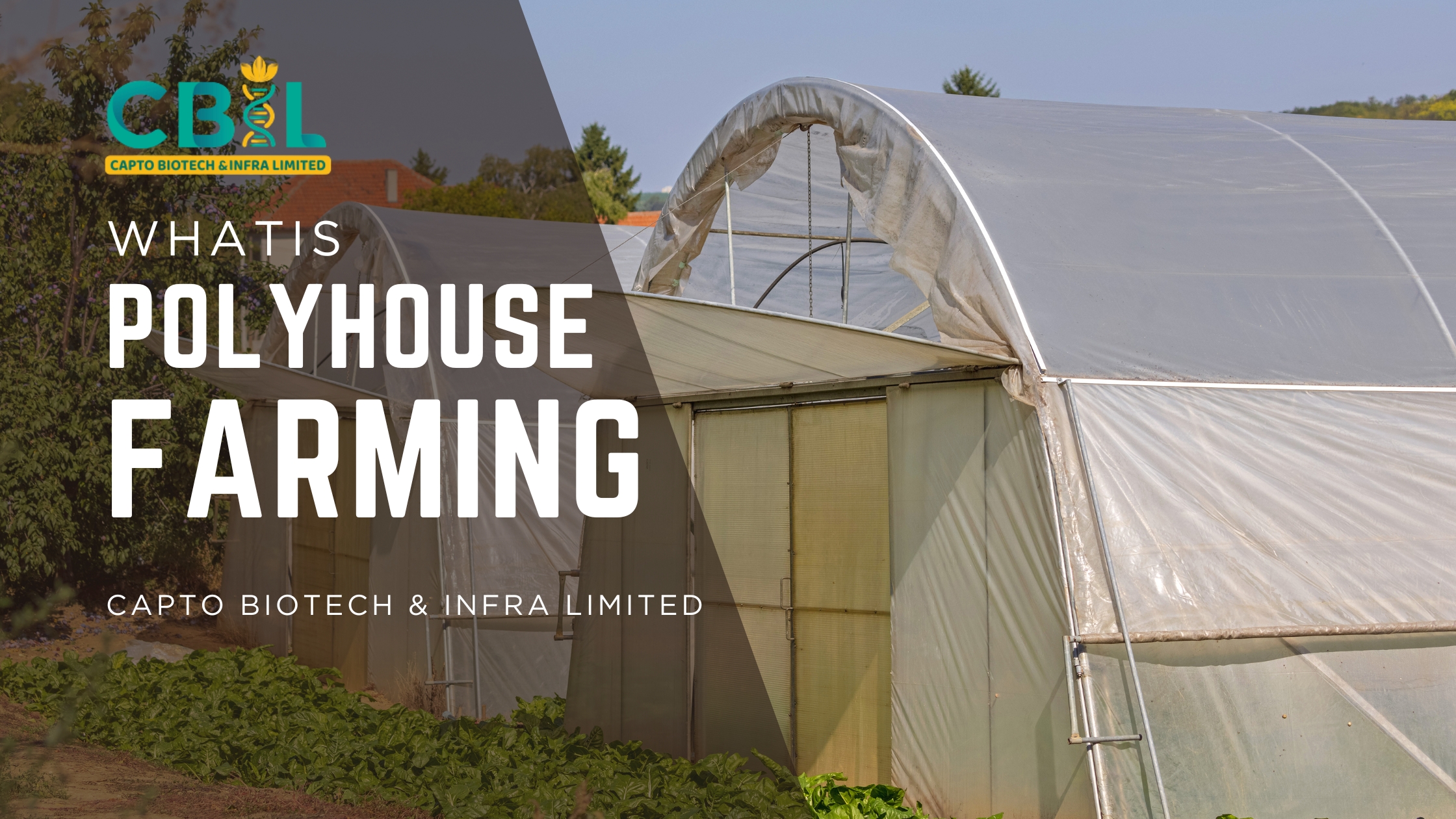
Polyhouse farming is based on the concept of Controlled Environment Agriculture (CEA), where crops are grown under a protected structure and their growing conditions are scientifically managed rather than left to natural weather. The primary principle is to create an ideal micro-climate that maximizes plant growth, yield, and quality while minimizing risks from climate, pests, and resource wastage.
Temperature Control (तापमान नियंत्रण)
The polyhouse covering material (UV-stabilized plastic) allows sunlight to enter but traps heat inside, producing a greenhouse farming effect that maintains optimum temperature even during cold conditions. During hot weather, excess heat is regulated through ventilation systems, shade nets, or cooling methods such as fogging and misting. Maintaining the right temperature range is essential because plant metabolism, flowering, and fruit development depend heavily on temperature.
Humidity Management (आर्द्रता प्रबंधन)
Humidity control is another important principle. Proper humidity ensures healthy plant growth and prevents fungal diseases. Ventilation, drip irrigation, and air circulation help maintain balanced moisture levels inside the structure. Unlike open-field farming, where rain and evaporation are unpredictable, polyhouse conditions remain stable.
Light Regulation (प्रकाश विनियमन)
Light management is also crucial. Plants require adequate sunlight for photosynthesis, but excessive light and heat can damage crops. The transparent cover provides sufficient light, while shade nets can reduce intensity when necessary. This ensures efficient energy use by plants throughout different seasons.
Protection from External Climate (बाहरी जलवायु से सुरक्षा)
Protection from external factors is a core function of a polyhouse. The structure shields crops from heavy rainfall, frost, strong winds, hailstorms, and extreme temperatures. It also acts as a physical barrier against many insects and pests, especially when insect-proof nets and double-door systems are used. As a result, pesticide use is reduced and crop quality improves.
Pest and Disease Control (कीट और रोग नियंत्रण)
Efficient use of water and nutrients is achieved through drip irrigation and fertigation systems. Water and fertilizers are supplied directly to the root zone in precise quantities, reducing wastage and improving nutrient uptake. This precision approach can save 60–70% water compared to traditional irrigation methods while significantly increasing productivity.
Soil and Root-Zone Management (मिट्टी और जड़-क्षेत्र प्रबंधन)
Soil and root-zone management is another principle that ensures long-term sustainability. Farmers often prepare raised beds, maintain proper drainage, and use soil testing to provide balanced nutrition. In advanced systems, soilless media such as cocopeat may be used to further enhance control over plant growth conditions.
Finally, polyhouse farming emphasizes scientific crop management. High-value crops that respond well to controlled environments are selected, and practices such as pruning, training, pollination management, and regular monitoring are followed. Capto Biotech & Infra Limited transforms farming from a weather-dependent activity into a planned agribusiness operation.
✅ In summary:
Polyhouse farming operates on the principle of creating and maintaining optimal growing conditions for plants throughout the year, ensuring higher yield, better quality produce, efficient resource use, and protection from environmental risks.