2026 Update of Polyhouse Farming and Subsidy Schemes, Production
 By
By 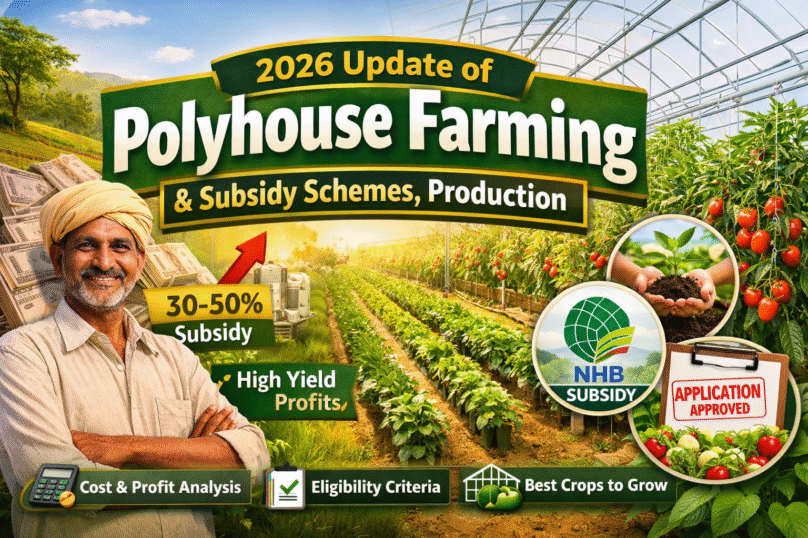
2026 Update of Polyhouse Farming and Subsidy Schemes, Production in India
Polyhouse farming has transformed the way modern agriculture works in India. With rising climate risks, increased urban demand for vegetables and fruits, and new government incentives, 2026 marks a breakthrough year for protected cultivation. This article explains Latest trends, subsidy schemes, benefits, cost-benefit analysis, production outcomes, and success stories — all in one place.
What is Polyhouse Farming?
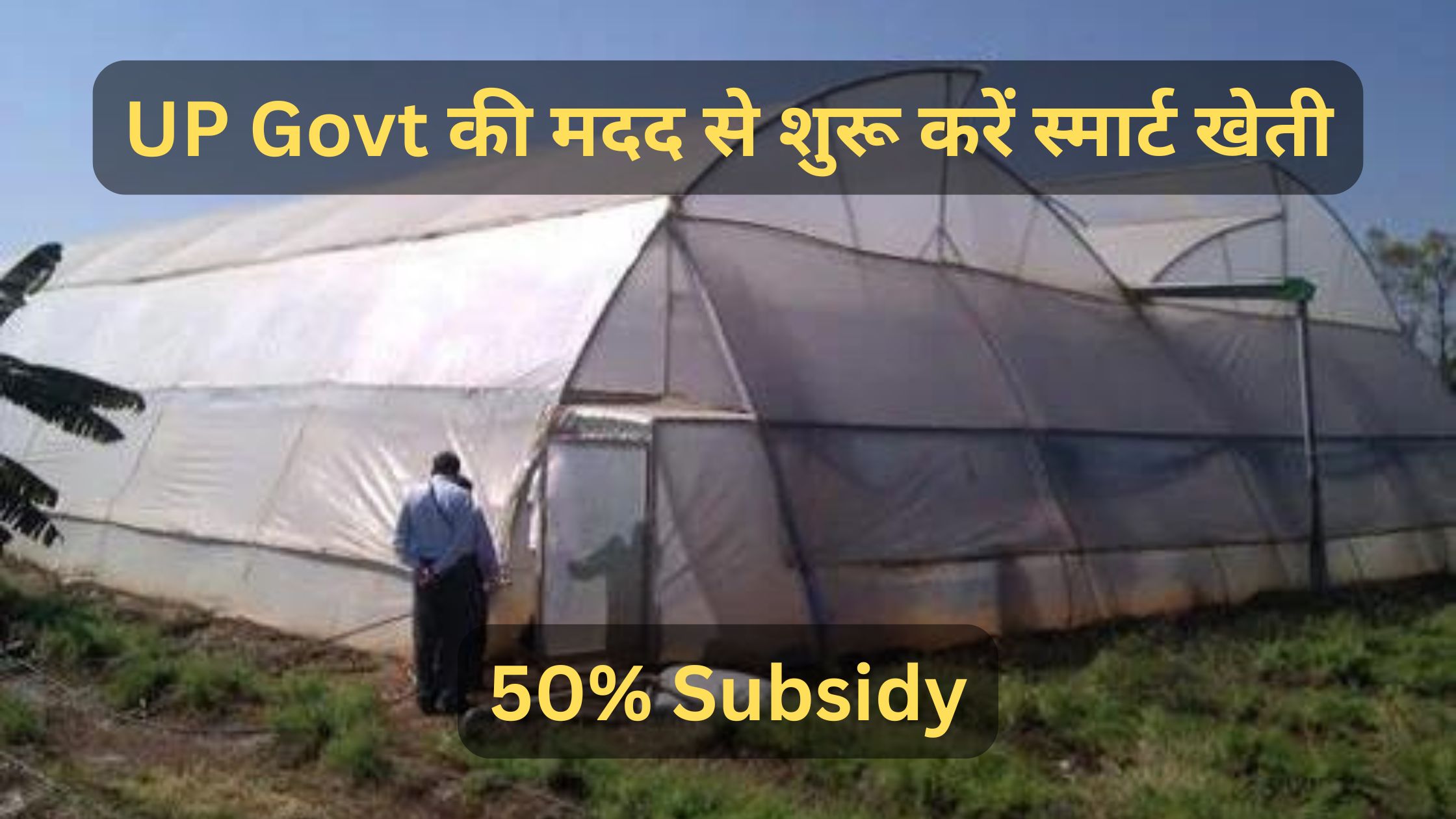
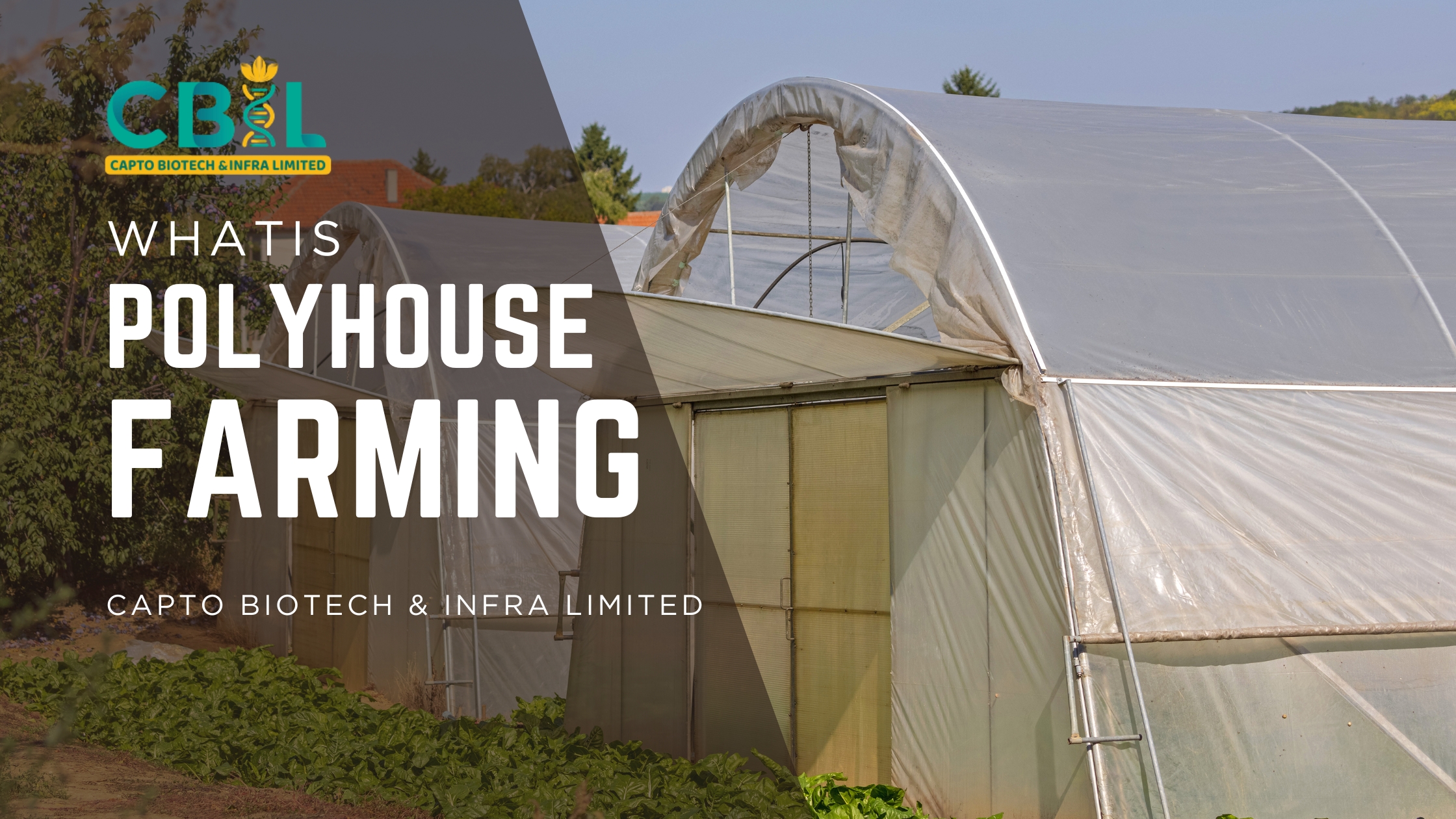
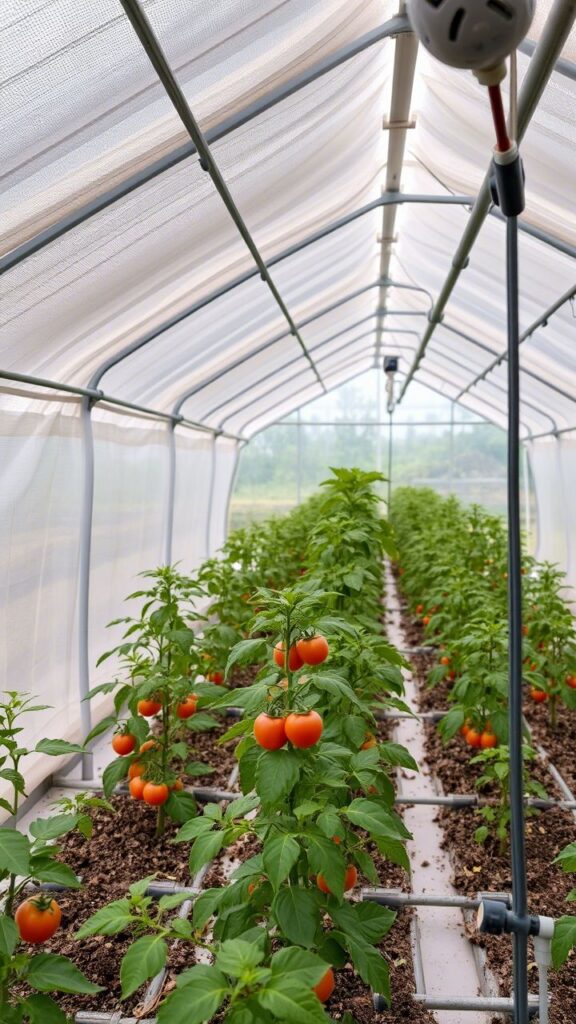
Polyhouse farming is a form of protected cultivation where crops are grown inside a transparent structure made of UV-stabilized polythene, steel frames, insect-proof nets, and climate control systems.
This controlled environment protects crops from extreme weather, pests, and diseases, allowing higher yields and quality produce year-round.
Why Polyhouse Farming is Important in 2026
 Climate Resilience: Reduced dependency on monsoon and unpredictable weather.
 Year-round Production: Multiple cropping cycles with controlled irrigation and lighting.
 Higher Income: Better marketable quality leads to premium prices.
 Efficient Resource Use: Less water use (up to 70% savings) and controlled fertilizer application.
Key Components of a Modern Polyhouse
2026 Government Subsidy Schemes (Latest Updates)
The Government of India continues to support protected cultivation through flagship programs under:
- National Horticulture Board (NHB) Subsidy
Covers polyhouse setup costs
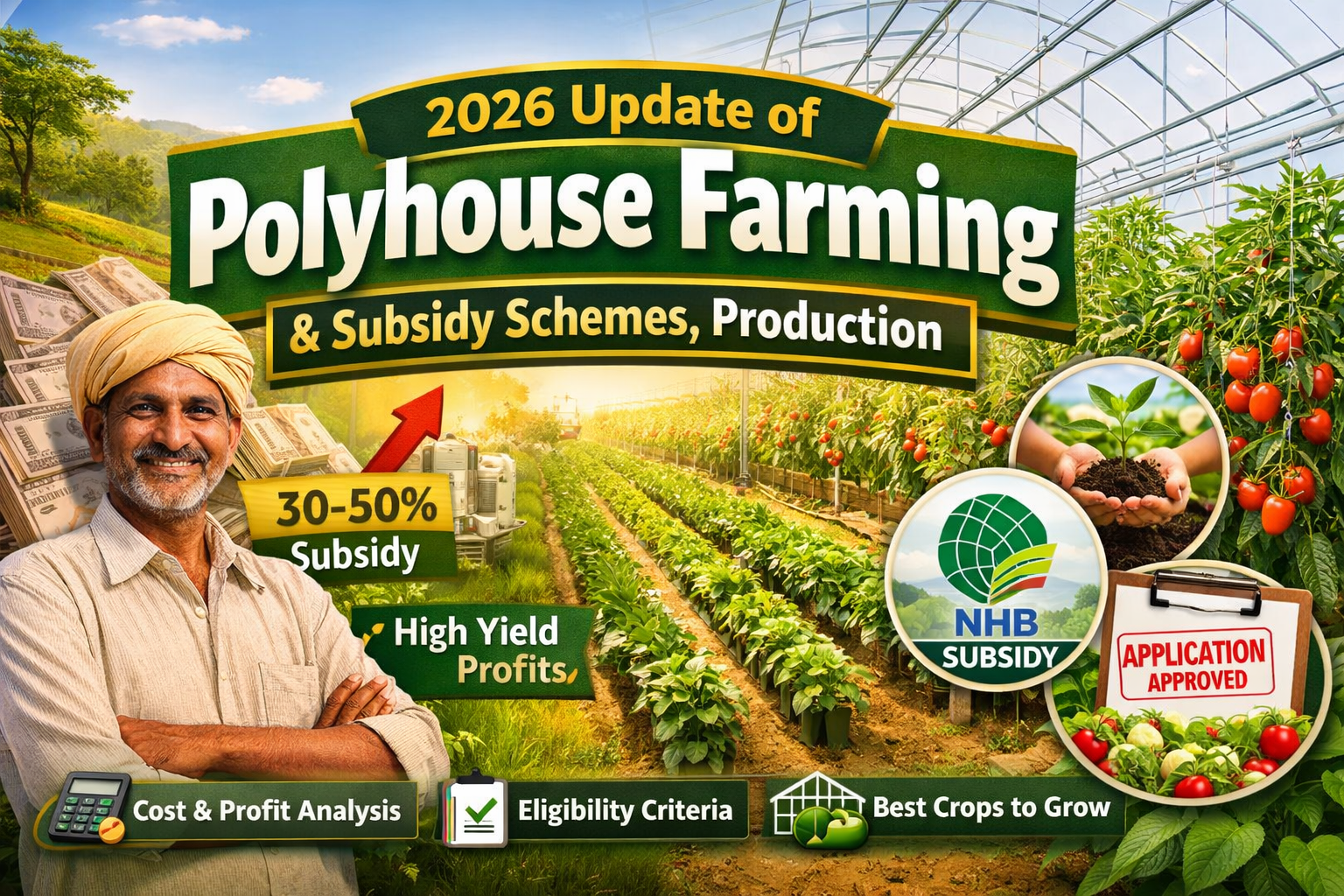
Subsidy ranges from 30% to 50% depending on category
Higher support for small & marginal farmers
Reimbursement basis after installation
- State Horticulture Department Schemes
Many states offer additional incentives on top of central subsidies. For example:
 Haryana Horticulture
Rajasthan Agriculture Department
Madhya Pradesh Protected Cultivation Schemes
Uttar Pradesh Greenhouse Subsidy
(State schemes vary — check your horticulture department notice for exact figures.)
- NABARD & Bank Tie-Ups
Banks, including NABARD, SBI, PNB and others provide crop loans, equipment finance, and working capital support.
- Micro & Small Farmers Focus
Under recent revisions, farmers with land under 2 hectares get better subsidy ceilings and faster processing.
Frequently Asked Questions (FAQs)
Q: Is polyhouse farming profitable? Yes — with subsidy and proper management, ROI can be seen in 12–24 months.
Q: Can I grow vegetables and flowers both? Yes — with zoning and crop planning.
Q: Does government subsidy apply to upgrades?
Some schemes allow retrofit subsidy on cooling or irrigation upgrades.
Conclusion
Polyhouse farming in 2026 is more profitable, more supported by subsidies, and more future-ready than ever. With proper planning, crop selection, and financial support from the government, farmers can boost incomes and secure stable production year-round.